


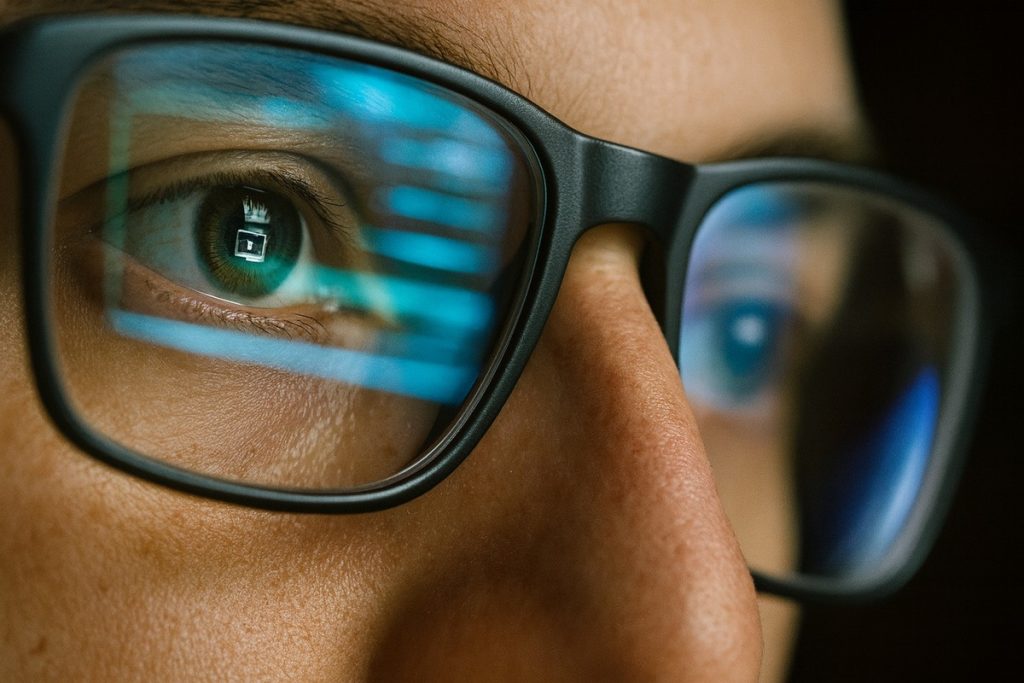
The Modern Reality of Screen Time in Dubai
From early morning emails to late-night scrolling, screens are an inseparable part of daily life in Dubai. Whether you work in finance, design or education, long hours on digital devices can leave your eyes feeling sore, blurry or heavy. This discomfort is more than just fatigue; it’s known as digital eye strain.
At Cairns & Co Specialist Optometry Center, our UK optometrists regularly see patients affected by this modern challenge. Understanding why digital eye strain happens and how to relieve it can make all the difference to your vision health and overall comfort.
What Is Digital Eye Strain?
Digital eye strain, is the discomfort felt after extended use of screens such as laptops, tablets and smartphones.
When focusing on screens, our blink rate drops by up to 60%, leading to dryness and irritation. The eye’s muscles must also work harder to maintain focus at a close distance, which can cause blurred vision, strained eyes and can lead to tension headaches.
Common symptoms include:
- Tired, aching or burning eyes
- Blurred or double vision
- Sensitivity to light
- Dryness or watery eyes
- Neck and shoulder discomfort
While the symptoms may vary from person to person, nearly everyone who uses digital devices extensively experiences some level of strain.
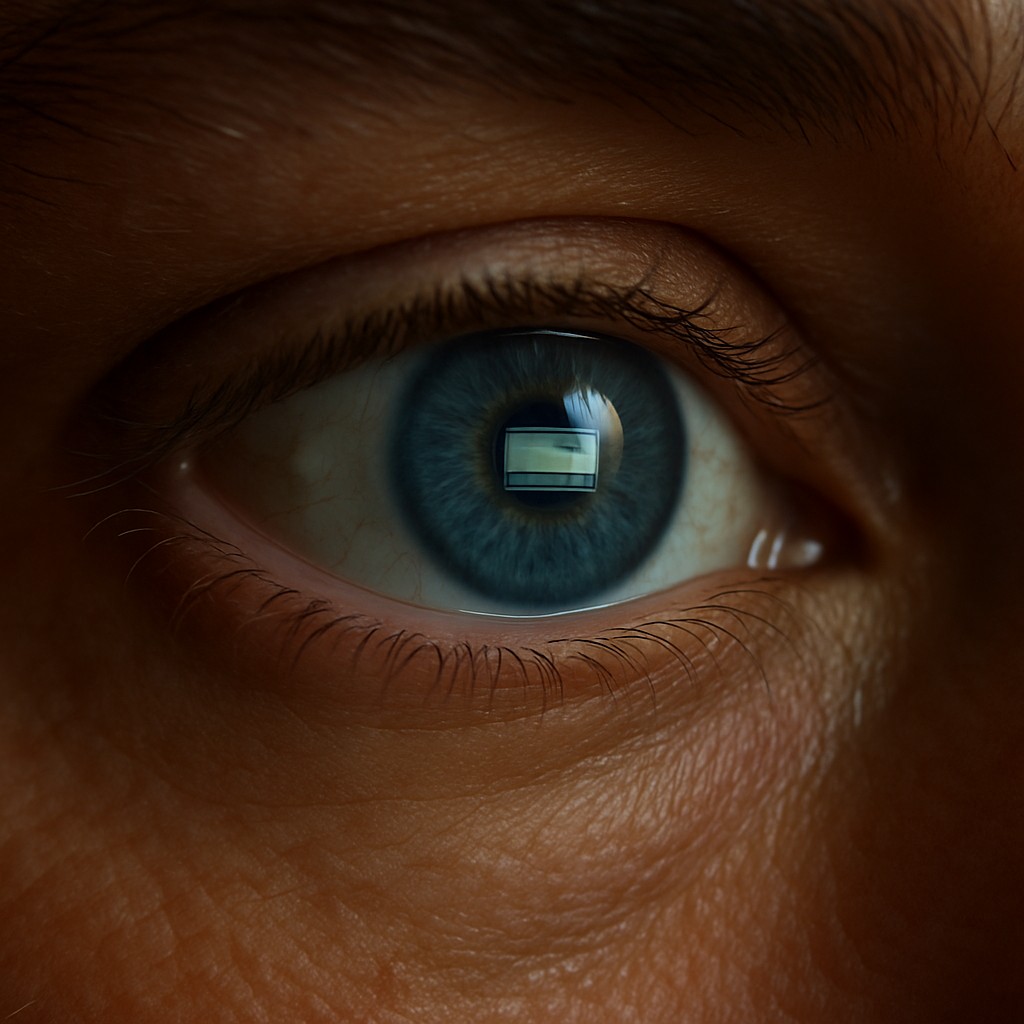

Why Your Eyes Work Harder on Screens
Unlike reading printed text, viewing a screen demands constant micro-adjustments. Fonts, glare and contrast require your eyes to refocus continuously. This is compounded by environmental factors -air conditioning, indoor lighting and Dubai’s dry climate.
Blue light exposure from screens also plays a role. Although not harmful at typical levels, blue light contributes to visual fatigue, particularly in low-light environments.
For people who wear contact lenses, dehydration from long hours in air-conditioned spaces can make symptoms more pronounced. At Cairns & Co, our specialists often recommend advanced lens materials and daily disposables that help maintain hydration and comfort during screen use.
How to Reduce Digital Eye Strain
Fortunately, small changes to your visual habits can significantly improve comfort and eye health. Here are a few steps you can take:
1. Follow the 20-20-20 Rule
Every 20 minutes, look at something 20 feet away for at least 20 seconds. This relaxes your eye’s focusing muscles and prevents fatigue throughout the day.
2. Moisture Eye Drops and Stay Hydrated
If you work in an air-conditioned environment, consider using preservative-free lubricating eye drops recommended by your optometrist – It’s a good idea to pair these up with something like hot drinks as a reminder. It is also recommended to stay hydrated by having a regular intake of water throughout the day.
3. Schedule Regular Eye Exams
A comprehensive eye exam helps detect issues with focusing, eye coordination problems and dryness early. Subtle changes in your prescription can make a big difference to visual comfort.
4. Consider Specialist Lenses or Eyewear
If you spend long hours on screens, occupational lenses or blue light control coatings can help reduce glare and visual fatigue. At Cairns & Co, our curated eyewear collection includes premium lenses designed for digital comfort.
The Link Between Digital Eye Strain and Dry Eyes
Dubai’s warm, dry climate, combined with air-conditioned spaces, can lead and result to dry eye syndrome, a condition that often overlaps with digital eye strain.
When the tear film becomes unstable, the eyes lose moisture more quickly, leading to stinging, redness and a gritty sensation. Our specialist optometrists use advanced diagnostic technology to assess tear quality and recommend tailored treatment, from lubricating drops to therapeutic contact lenses designed for managing dry eyes.

Children and Screen Time
Children worldwide are spending more time on digital devices for schoolwork, entertainment and social interaction. Prolonged near work can cause fatigue and blurred vision, and in some cases, contribute to myopia (short-sightedness) progression.
Encouraging regular outdoor play, limiting screen sessions and ensuring yearly children’s eye care appointments are essential steps for maintaining healthy vision development.
When to See an Optometrist
If you experience ongoing eye discomfort, blurred vision or frequent headaches after screen use, it’s important not to ignore these signs. A qualified optometrist can assess your focusing ability, tear quality, and overall vision health to identify the underlying cause. Our optometrists will gladly recommend solutions to manage any related symptoms.
At Cairns & Co, we take a personalised approach to each eye exam, using advanced diagnostic equipment and specialist expertise to help you see clearly and comfortably every day.
Summary
Digital eye strain is a modern issue with practical solutions. By adjusting your screen habits, maintaining good hydration and attending regular eye exams, you can protect your vision health and prevent long-term discomfort and symptoms.
If you’d like tailored advice or a comprehensive eye exam, visit Cairns & Co Specialist Optometry Centre in Dubai or book online. Our UK-trained optometrists are here to help you see clearly and comfortably.
FAQs
Q. How can I tell if I have digital eye strain?
A. Common signs include tired, sore or blurry eyes after screen time.. If these symptoms persist, book an eye exam for an accurate assessment.
Q. Does blue light from screens damage my eyes?
A. Blue light does not cause permanent damage at typical screen levels, but it can contribute to eye fatigue. Specialist lens treatments can help reduce the amount of blue light interacting with the eye and enhance comfort.
Q. Can digital eye strain affect children?
A. Yes. Increased screen time can cause focusing fatigue, dry eyes and may even influence short-sightedness progression. Encourage outdoor play and regular children’s eye exams.
Q. Are contact lenses suitable for long screen hours?
A. Yes, with the right material and care. Daily disposable or moisture-retaining lenses recommended by your optometrist can provide excellent comfort for digital use.
Q. How often should I have an eye exam?
A. Most adults benefit from a full eye exam every one year, or more often if you wear contact lenses or experience visual changes.