

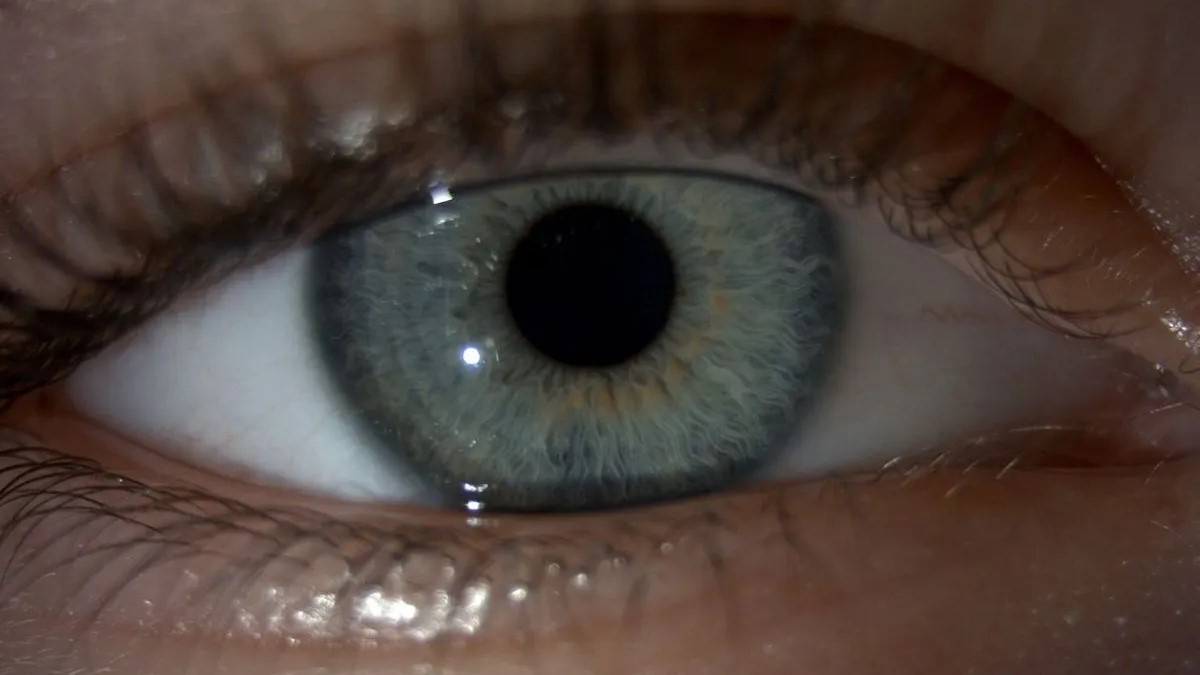
Why is an eye examination important?
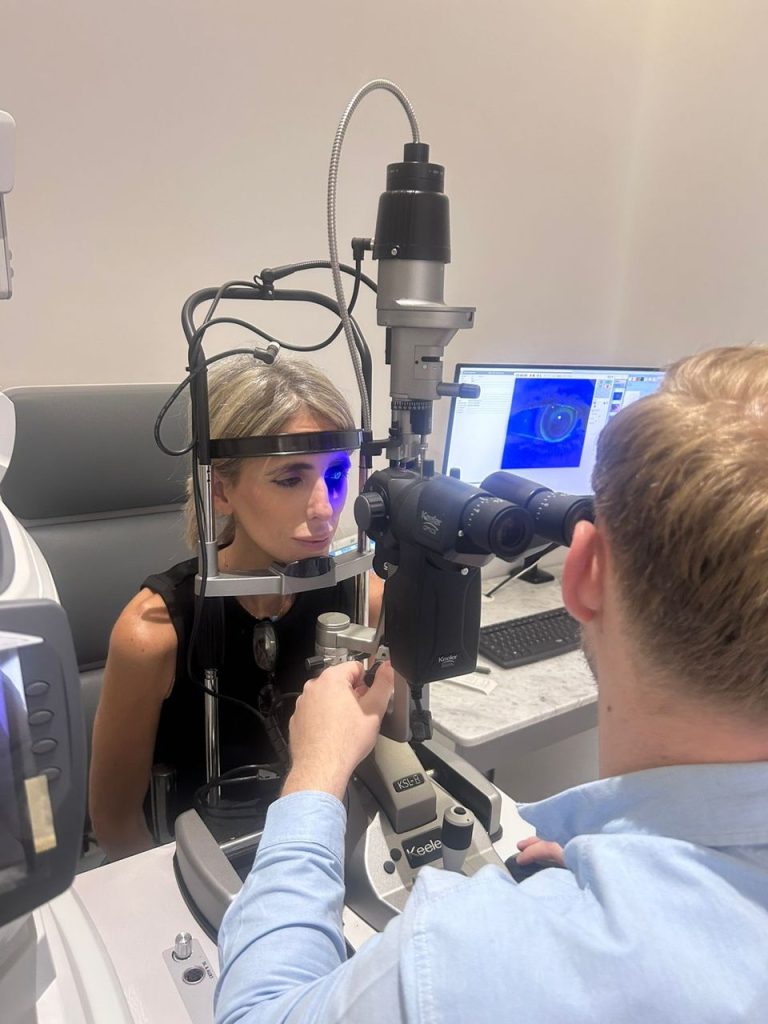
It’s easy to overlook regular eye care, yet your vision plays an essential role in almost everything you do, from reading fine print on your phone screen to safely commuting to work in Dubai. A comprehensive eye test assesses your visual acuity, the clarity of your vision at a specified distance, and checks for normal vision as well as signs of poor vision or vision loss. During the exam, our optometrist uses tools such as an eye chart and a slit lamp to examine your retina and optic nerve, and tests your peripheral visual field where needed. We do not use dilating eye drops. If a dilated examination is needed, we refer you to a partner ophthalmologist. The test also includes assessing ocular motility, pupillary reflexes, and the light reflex to ensure your extraocular muscles and neural pathways are functioning properly. This thorough approach helps detect early signs of eye diseases such as diabetic retinopathy, retinal detachment, cataracts, and glaucoma, as well as systemic conditions like diabetes and high blood pressure.
Many people only visit an optometrist when they notice blurred vision or discomfort, but regular eye examinations are a crucial part of preventive health care. Eye tests are especially important for those with risk factors such as a family history of eye disease, previous eye injury, or chronic conditions requiring medications that affect eye health.
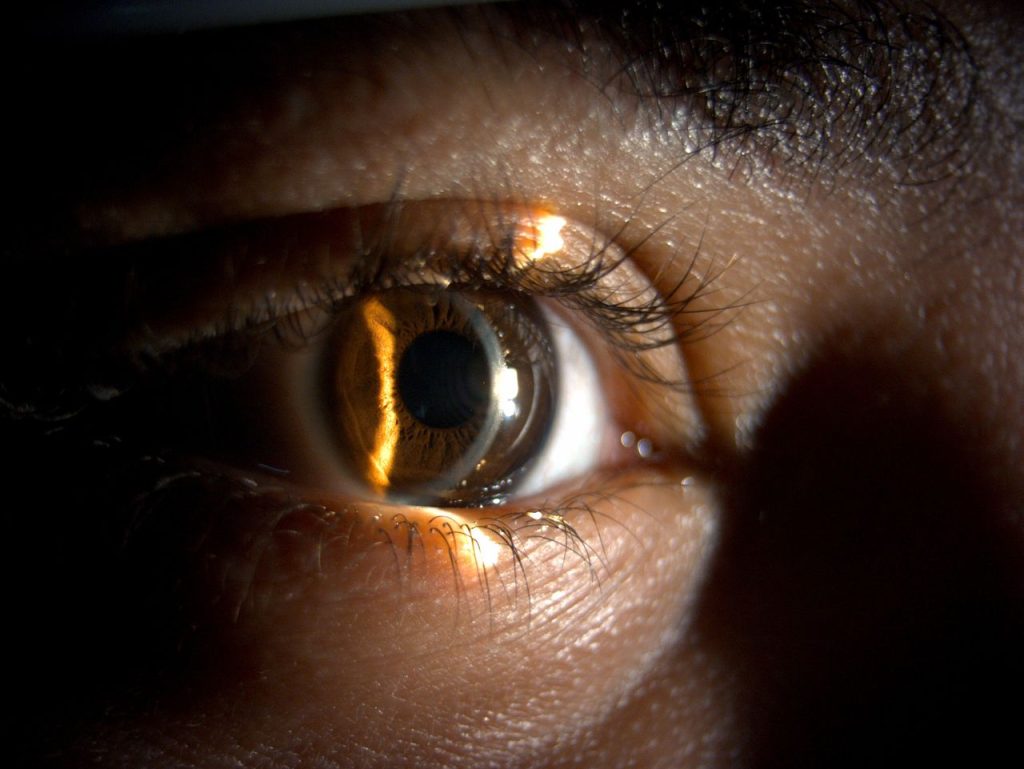
The exam also includes subjective refraction to determine the need for corrective lenses, evaluation of colour vision, and a check of the eye’s anterior chamber and surrounding tissues using a slit lamp and fluorescein dye. By maintaining regular eye exams, you help ensure early detection and timely treatment options, preserving your overall eye health and quality of life.
A thorough eye examination is a vital health checks that can detect early signs of eye disease and even systemic conditions such as diabetes and high blood pressure.
At Cairns & Co Specialist Optometry Center, our UK-trained specialists believe proactive care is the key to healthy vision.

What is checked during an eye examination?
A comprehensive eye exam does far more than measure your prescription. It allows your optometrist to:
- Assess your eye coordination and focusing ability
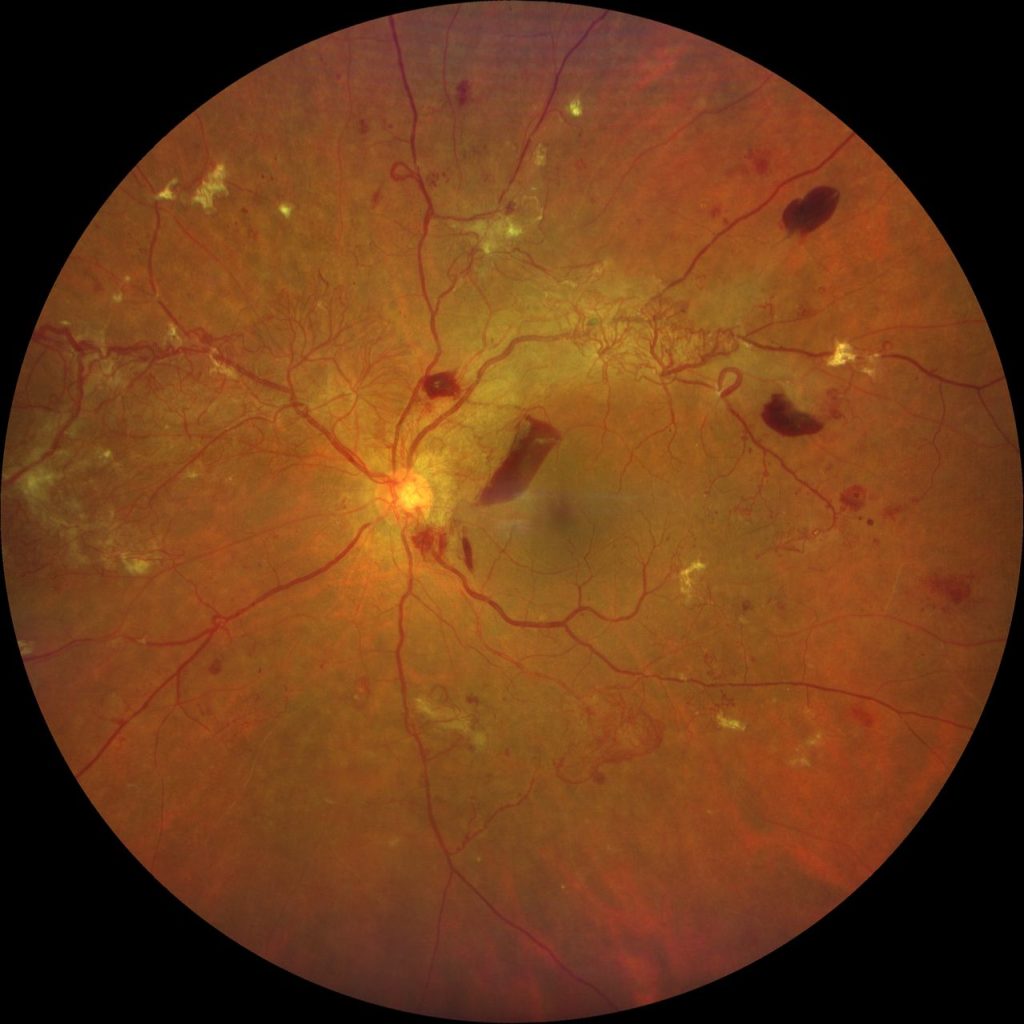
- Detect early signs of eye conditions such as glaucoma, cataracts and macular degeneration
- Check the health of your retina and optic nerve
- Monitor for complications related to diabetes or high blood pressure
- Evaluate the eye surface health
Early detection is crucial because many eye diseases progress silently without noticeable symptoms until advanced stages.
How Often Should Adults Have an Eye Test?
Most adults should have a full eye exam every one to two years, depending on age, medical history and visual needs.
Ages 18–39
If your vision feels clear and you have no symptoms, an eye test every two years is generally sufficient. Those who wear contact lenses or spend extended hours on digital screens should schedule annual visits to monitor for dryness or eye strain.
Ages 40–64
During this stage, the eyes naturally begin to lose flexibility, a condition known as presbyopia, which makes near tasks more difficult. Regular exams every one year help manage these changes and detect early signs of glaucoma or retinal disease.
Ages 65 and Above
Older adults are more prone to cataracts and age-related macular degeneration. Annual eye tests are strongly recommended to preserve vision health.
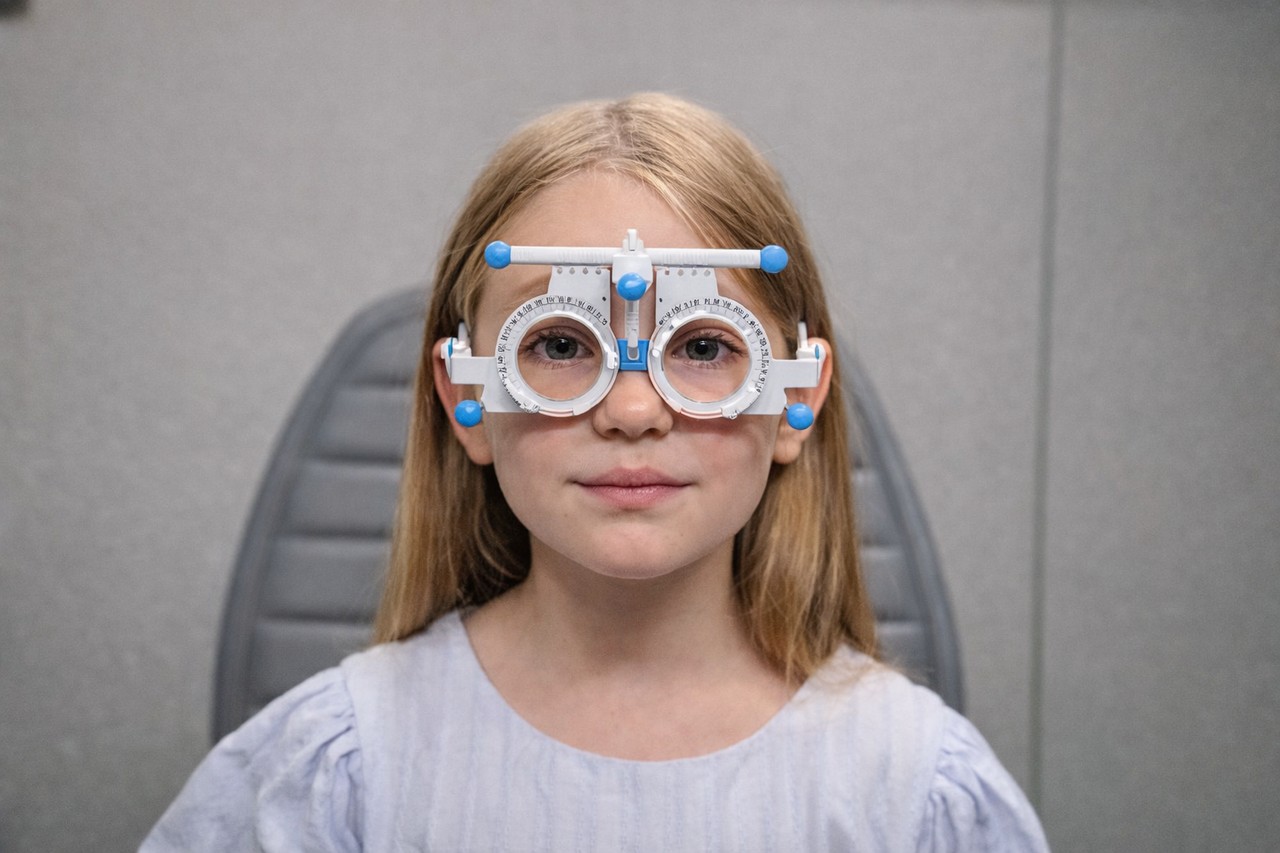
Special Considerations: Children’s Eye Care
Healthy vision is vital for learning and development. Many visual problems in children go unnoticed because they may not realise their sight is different from others; it might seem “normal” to them.
At Cairns & Co, our optometrists specialise in children’s eye care and recommend the following schedule:
- First child eye test at around age four, before starting school ,to screen for vision difficulties
- Follow-up exams annually, or more frequently if there are any visual concerns
Regular check-ups help identify refractive errors, colour vision defects, lazy eye (amblyopia) or eye coordination issues early. If any issues are picked up during this eye examination, we will refer you to one of our partner hospitals for further investigation.
Eye Tests for Contact Lens Wearers
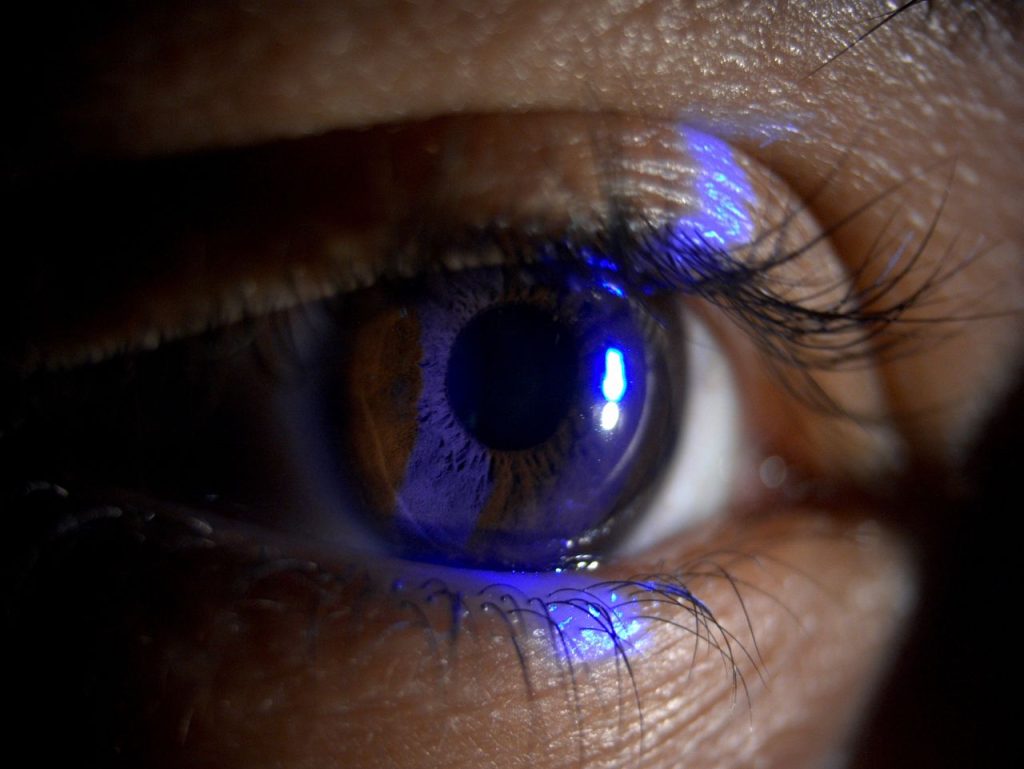
Wearing contact lenses requires regular eye tests to ensure your eyes remain healthy and properly oxygenated. Even if your vision feels stable, annual exams are essential to assess lens fit, corneal health, tear quality, and detect any early vision problems. Timely monitoring helps prevent complications and supports long-term vision care.
Our specialist optometrists at Cairns & Co offer advanced lens options, including scleral, ortho-k, and custom soft lenses, designed for maximum comfort and clarity in Dubai’s warm, dry climate.
How Medical Conditions Affect Eye Test Frequency
Certain medical conditions and lifestyle factors can increase your risk of eye disease. You should see your optometrist annually if you:
- Have diabetes or high blood pressure
- Are taking medication that affects the eyes
- Have a family history of diabetes, glaucoma or macular degeneration
- Work long hours on screens or in visually demanding environments
- Experience frequent eye irritation or dryness
Your optometrist will tailor your eye care plan according to your personal health and visual demands.
What to Expect During a Comprehensive Eye Exam
A full eye exam at Cairns & Co typically includes:
- Vision testing: Measuring clarity at distance and near
- Refraction: Determining your precise glasses or contact lens prescription
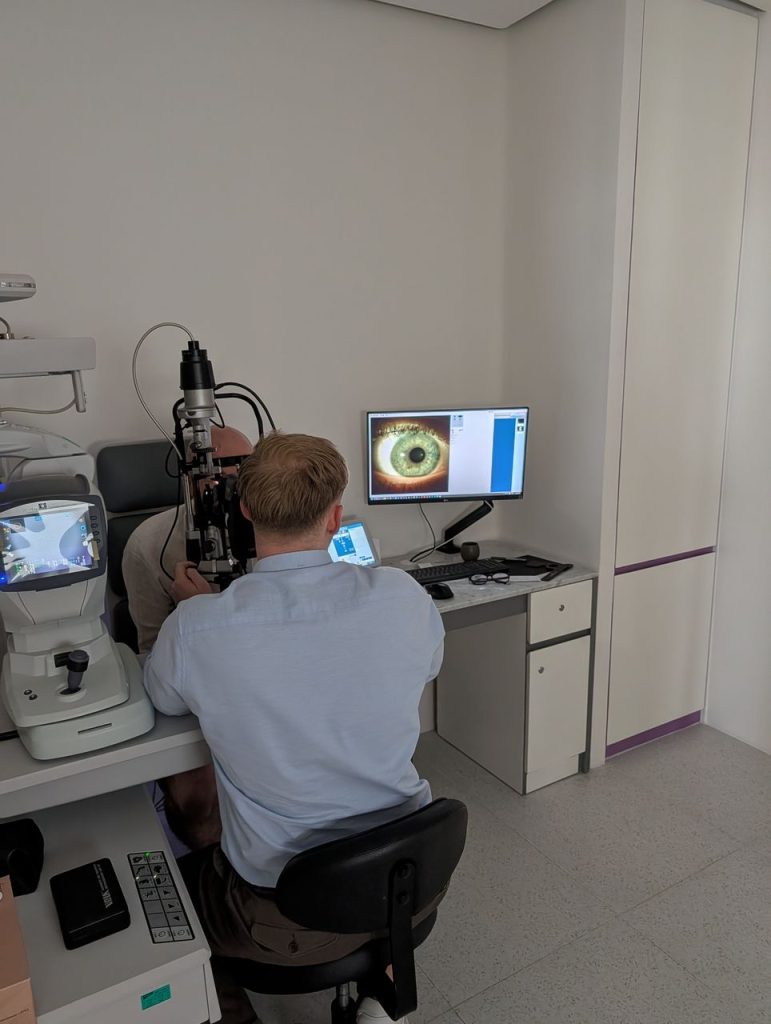
- Eye health evaluation: Checking the front and back of the eye with a slit lamp and specialist lenses
- Tear film and comfort assessment: Especially important for contact lens wearers
Each exam is tailored to your age, visual needs and lifestyle. Our goal is to ensure you see your best and maintain lasting eye health.
What to Expect After a Comprehensive Eye Exam
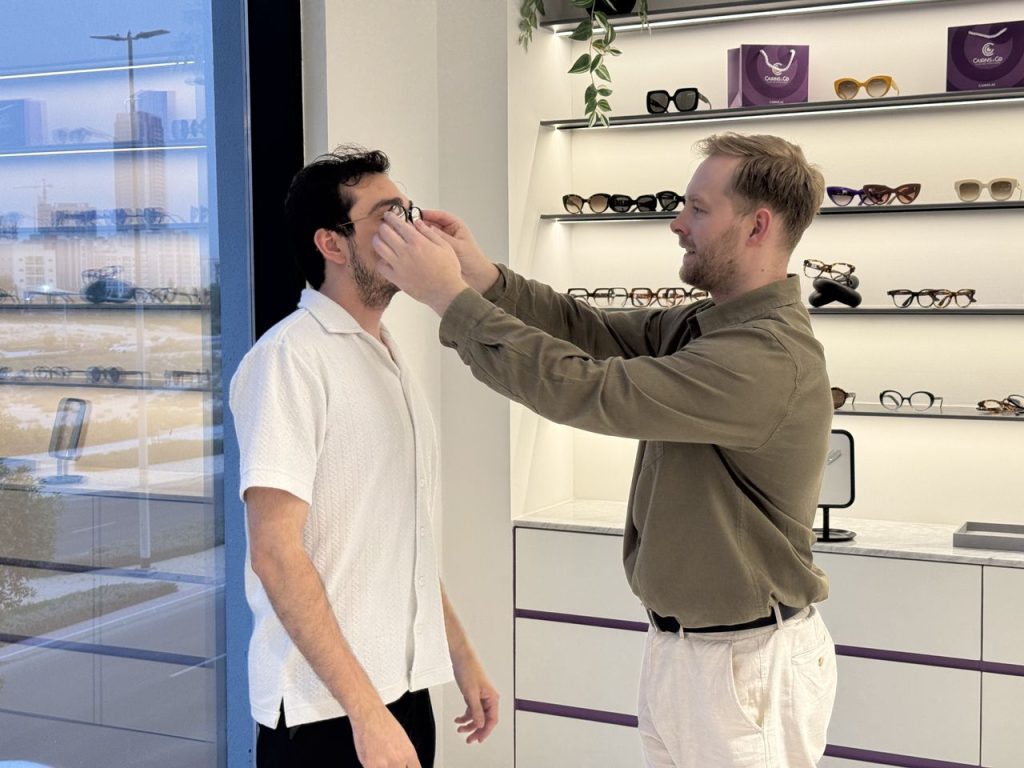
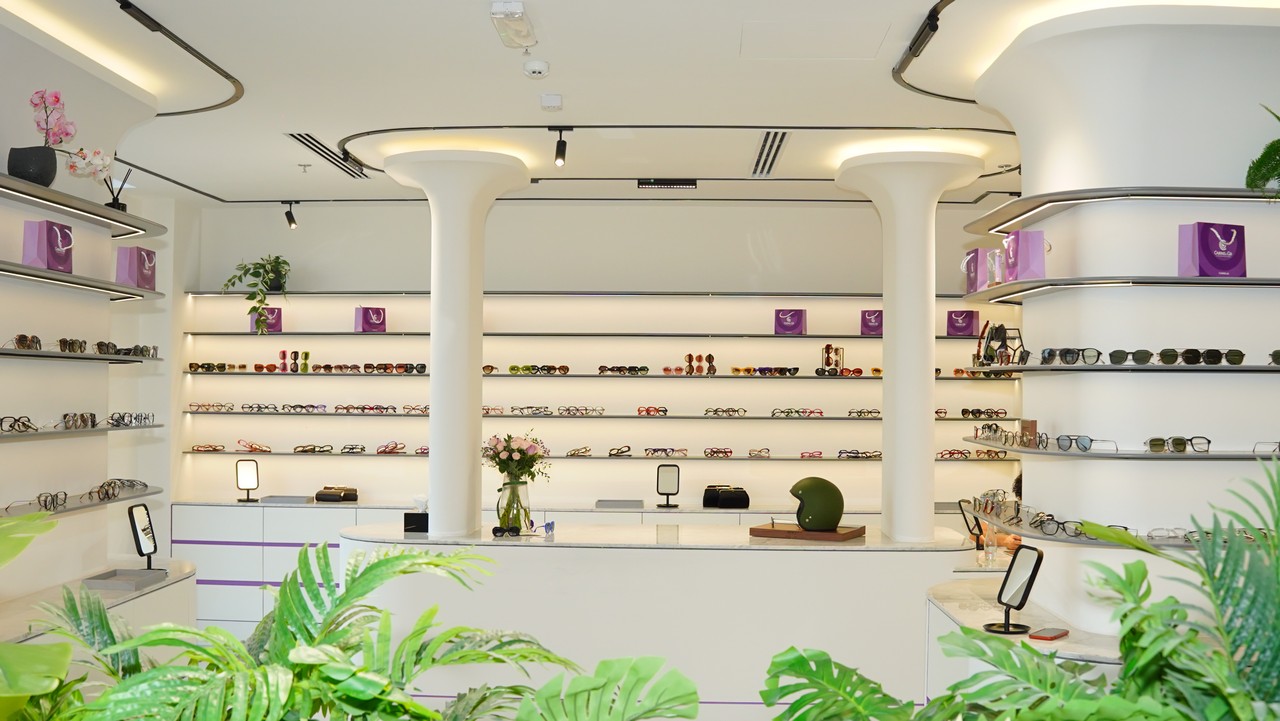
Seeing an optometrist for the selection and fitting of your spectacles is essential. They ensure your glasses match your prescription accurately and consider lens designs that enhance comfort, visual acuity, and reduce eye strain.
Optometrists also assess frame fit for your face shape and lifestyle, preventing issues like headaches, distortion, or slipping frames. This professional care guarantees effective, comfortable eyewear tailored to your overall eye health and vision needs.
While generic retail dispensing can feel quick and convenient, it often overlooks the finer details that make glasses truly comfortable and effective, including normal visual acuity testing.
Summary
Whether you wear contact lenses, spend long hours on screens, or simply want peace of mind, regular eye exams are a simple yet powerful step towards better eye care in Dubai.
At Cairns & Co Specialist Optometry Centre, we combine clinical expertise with advanced technology to provide personalised eye care for every stage of life.
FAQs
How often should I have my eyes checked?
Most adults benefit from a comprehensive eye exam every one to two years. Those with diabetes, contact lenses or vision changes should attend more frequently.
What happens during an eye exam?
Your optometrist will check your vision, eye coordination and internal eye health. The process is comfortable, non-invasive and tailored to your needs.
Can I have an eye test if I wear contact lenses?
Yes. You should remove your lenses before the exam (and bring them with you) but your optometrist will also assess their fit and the health of your eyes.
How early should children have their eyes tested?
Around age four or sooner if you notice squinting, poor focus or frequent eye rubbing. Early testing and screening ensures clear vision for learning.
What signs mean I need an eye exam sooner?
Blurred vision, headaches, eye pain, flashes or sudden changes in sight should always prompt an immediate appointment.