

Healthy vision is one of the most important parts of your child's growth and learning.
Whether they are reading their first book or discovering the world around them every day, your child’s ability to see clearly shapes how they learn. Yet many vision issues begin early and often go unnoticed because children do not always realise that their vision is blurry.
This complete guide explains everything parents need to know about children’s eye tests.
Why Children's Eye Exams Matter More Than You Think
Children rely on their vision for nearly eighty percent of learning during their early years. Good sight supports reading, hand eye coordination, sports and social interactions. A child who cannot see clearly may struggle in school. For a child in need of a prescription the vision might seem “normal”.
Many common childhood vision conditions can be corrected completely when diagnosed early. Regular eye tests and screening will ensure your child’s vision develops normally and that any concerns are treated before they begin to affect learning.

When Should Your Child Have Their First Eye Test
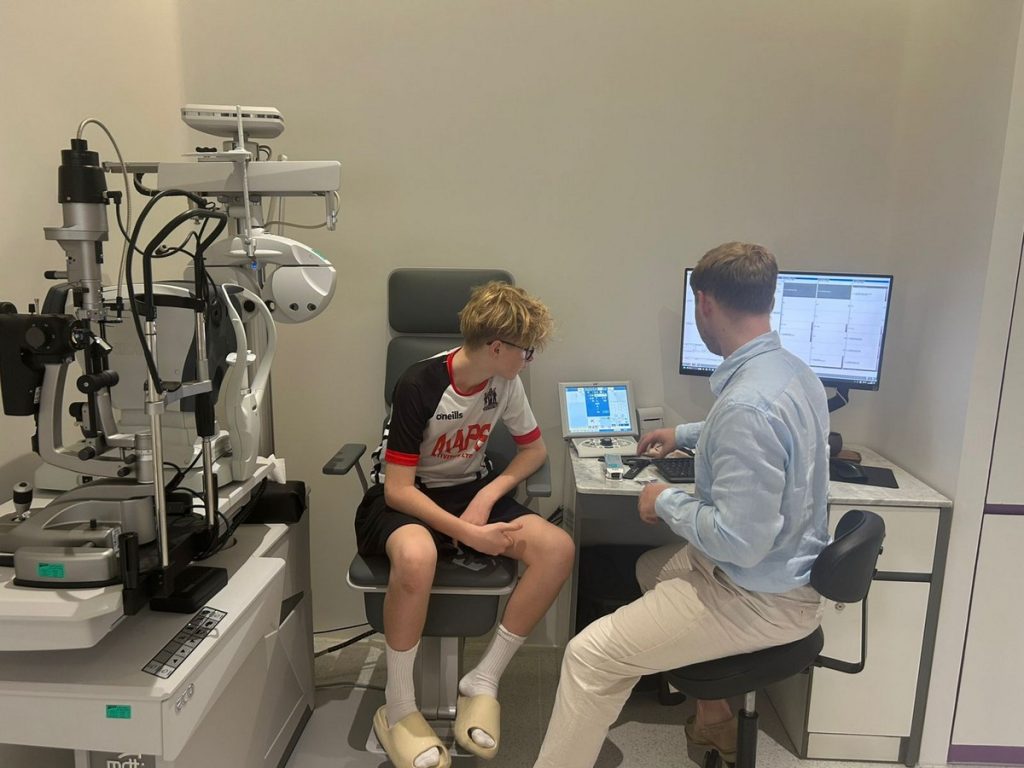
Our UK trained optometrists recommend that children have their first full eye exam at the following stages:
Six to twelve months
This appointment checks early visual responses and basic development. This is usually recommended in a hospital with dilating eye drops.
Three to four years
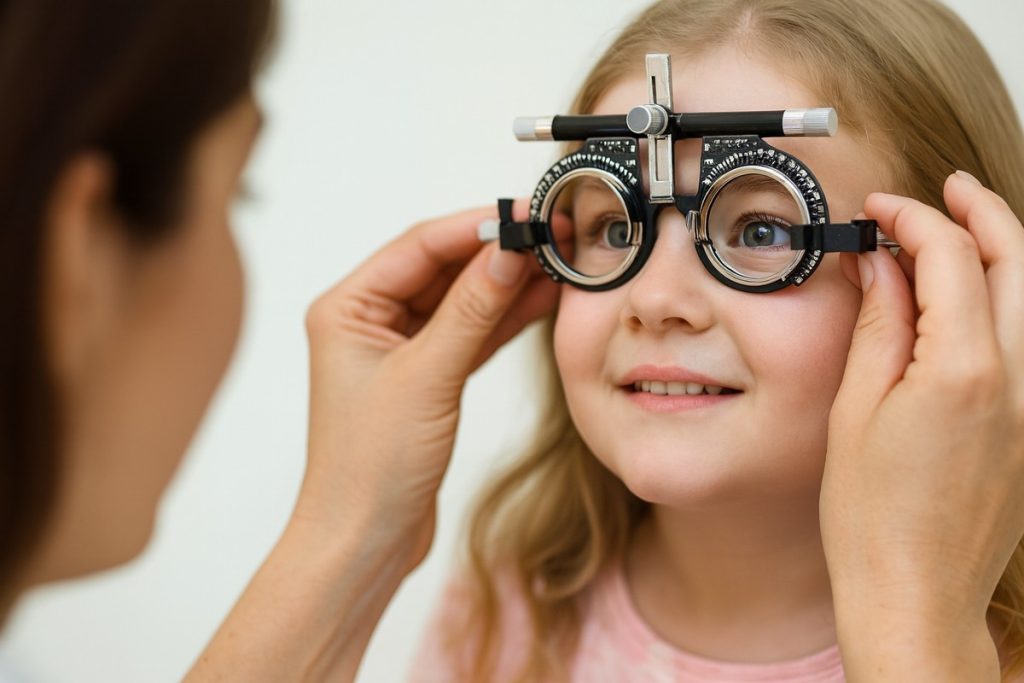
At this age an experienced optometrist can evaluate vision sharpness, eye movements focusing ability- here we can pick up early signs of conditions like a lazy eye or significant prescription.
Before starting school
A full exam ensures children have the clear vision they need to read write and learn comfortably in a classroom.
Every 6 months afterward
Regular testing helps monitor changes as the eyes grow and reduce the risk of undetected vision problems.
If you notice signs or symptoms of vision difficulty you should schedule an appointment sooner.
Signs Your Child May Need an Eye Test Sooner
Children often think their vision is normal because they do not know any different. Parents can watch for the following signs:
- Squinting or closing one eye
- Holding books very close
- Frequent headaches
- Rubbing eyes often
- Losing place when reading
- Sitting closer to the television
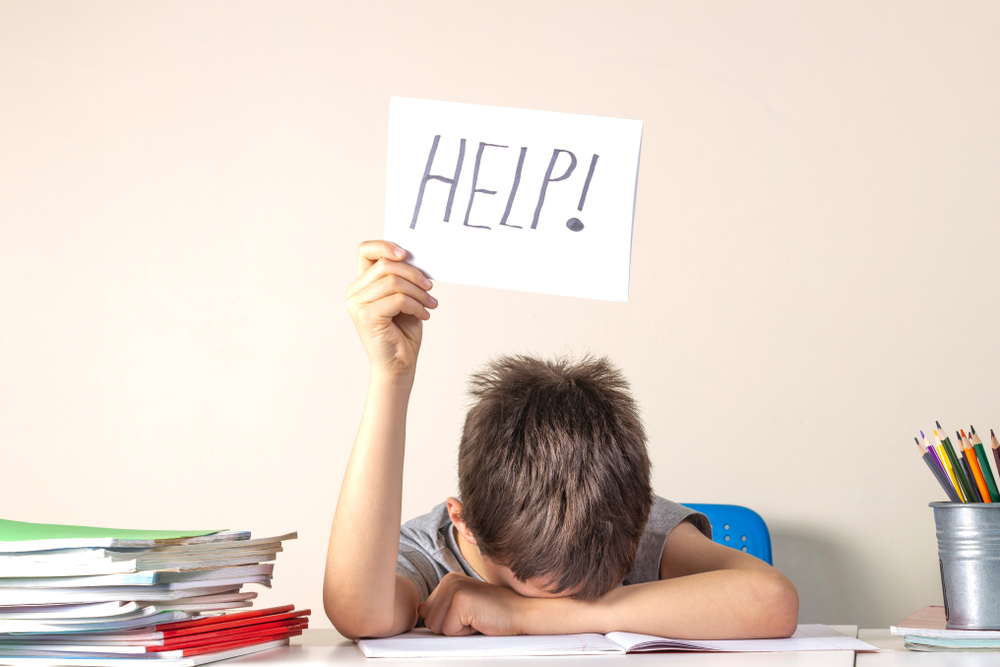
- Struggling with school work
- Poor concentration
- Complaints of blurry or double vision
If you observe any of these symptoms an eye test should be booked immediately
What Happens During a Child's Eye Test
Here is what a typical appointment includes:
Case history discussion
The optometrist asks about family ocular history, eye health concerns, school performance and any symptoms the child may have mentioned.
Eye movement and coordination testing
The optometrist checks how well the eyes track objects and work together.
Visual clarity testing
Depending on the child’s age they may identify shapes pictures or letters. This determines how clearly each eye can see.
Focusing ability
This step checks whether the eyes can adjust from far to near objects easily.
Depth perception
Special tools are used to measure how well the eyes work together to see in 3D.
Eye health evaluation
The inside and outside structures of the eyes are inspected with non-intrusive equipment.
Prescription assessment
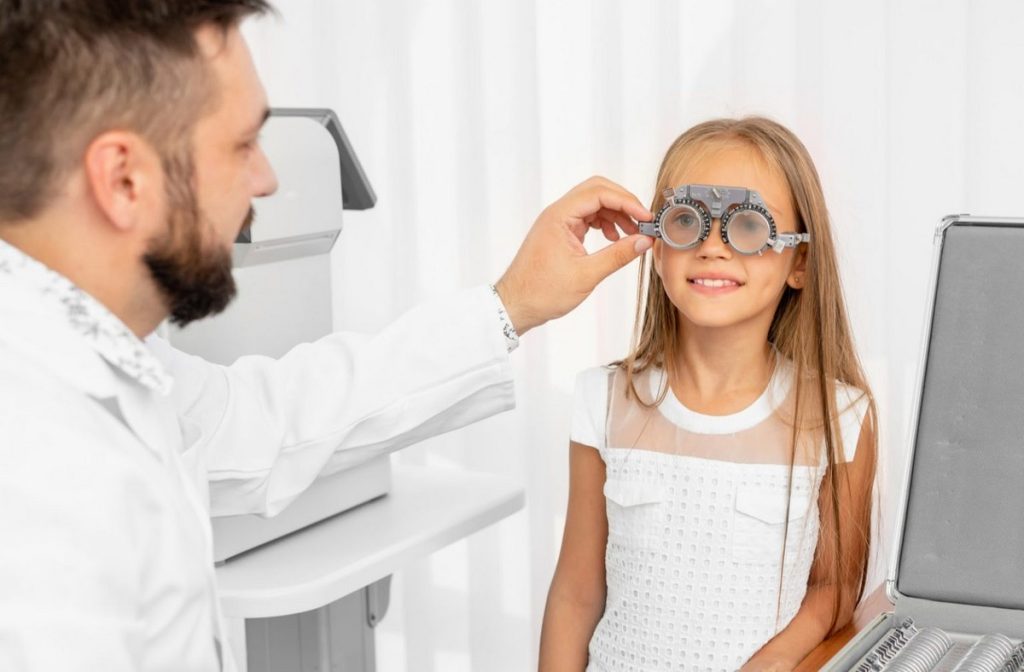
If the child needs glasses the optometrist will provide a clear prescription suited for the child’s lifestyle.
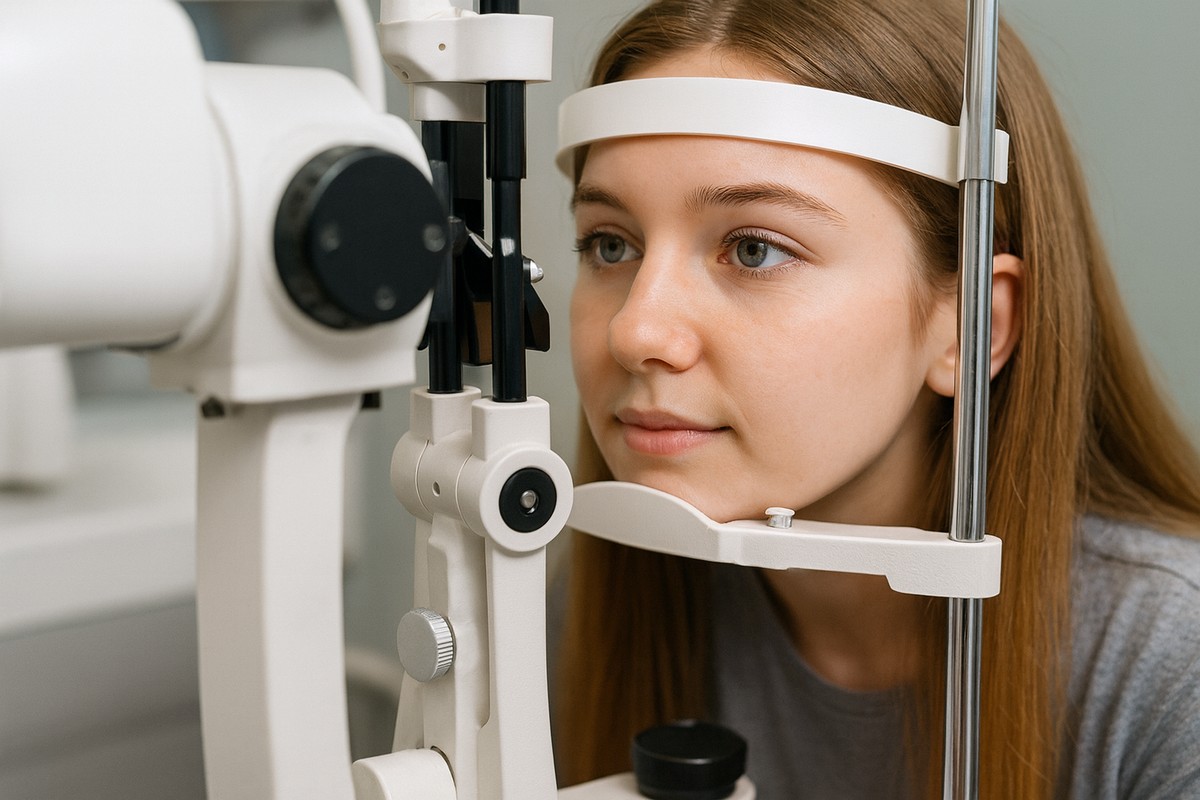
Common Vision & Eye Problems in Children
Understanding the most frequent childhood vision conditions helps parents seek early care. These include:
Myopia – Short sightedness
Distant objects appear blurry
Hypermetropia – Long sightedness
Close work causes strain, headaches or blurred vision at near distances.
Astigmatism
Vision may look stretched or distorted due to uneven eye shape.
Lazy eye
One eye develops weaker vision because the brain relies more on the stronger eye.
Eye alignment problems
Eyes may turn inward or outward which can affect depth perception and comfort. Most of these conditions are very treatable when discovered early.
Colour Vision Defects
Colour vision defects happen when a child has difficulty recognising certain colours or telling the difference between them.
Please see our eye glossary for more common optometry terms
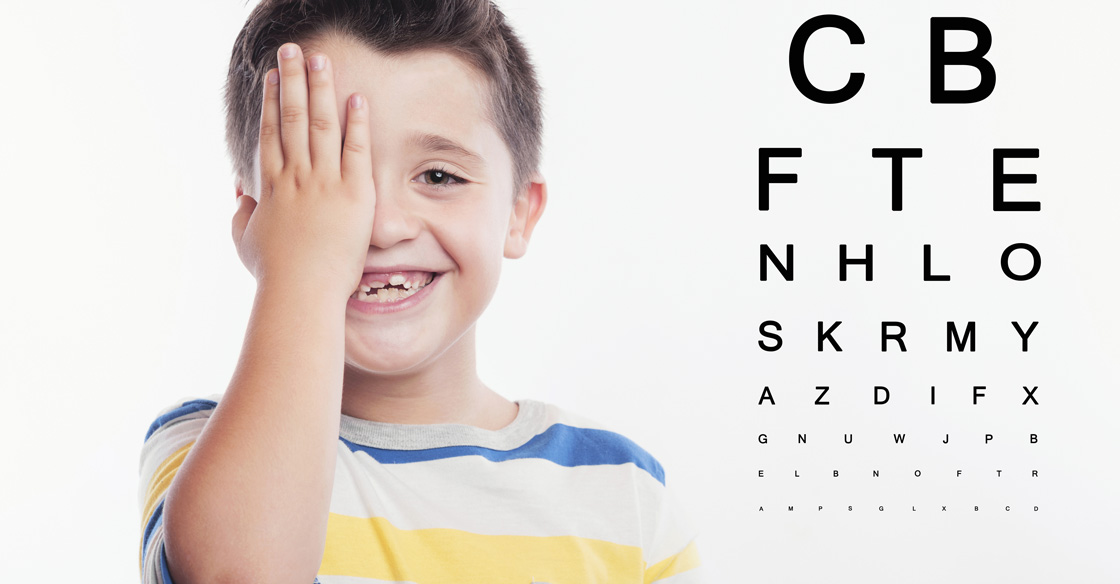
How Glasses and Vision Correction Help Children Learn Better
Children who receive the correct pair of glasses often show improvements immediately. Glasses help them read comfortably, see the board at school and participate confidently in sports and play.
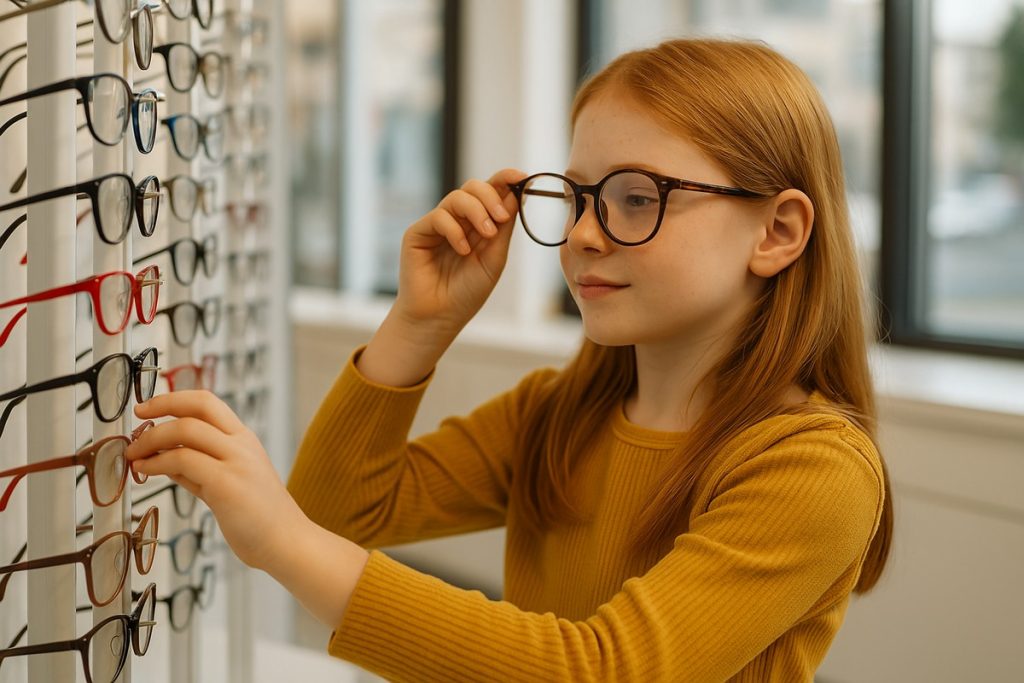
A paediatric optometrist will recommend durable frames that suit your child’s age, face shape and personality.
How Parents Can Support Healthy Vision at Home
Good visual habits can protect your child’s eyes. Here are simple daily practices every family can try to follow:
Encourage outdoor play
Natural light and distance focused activities such as sport, help reduce the risk of short sightedness.
Limit screen time
Frequent screen use can strain growing eyes. Encourage breaks every twenty minutes.
Provide balanced nutrition
Foods rich in vitamin A (Carrots, eggs, Kale), omega three fatty acids (salmon, sardines Flaxseeds) and antioxidants support eye health ( Broccoli, peas and spinach).
Create good reading environments
Bright lighting reduces eye strain during homework or reading.
Schedule regular eye tests
Do not wait for symptoms. Prevention is always easier than treatment so try to see an optometrist for an eye examination every 6 months.

When to See a Paediatric Optometrist in Dubai for Eye examinations
Parents in Dubai have access to advanced eye care for children, including specialist testing for vision development and advanced management for conditions like lazy eye or progressing short sightedness.
Scheduling regular exams ensures your child enjoys clear, comfortable vision throughout their growing years.
Final Thoughts
Your child’s eyesight is essential to their learning confidence and everyday experiences. Early testing and ongoing care are the best ways to protect their vision for life. By staying informed and scheduling regular exams parents can ensure their children enjoy healthy vision at every stage of development.
If you’d like tailored advice or a comprehensive eye exam for your children, visit Cairns & Co Specialist Optometry Center in Dubai or book online. Our UK-trained optometrists are here to help your children see clearly and comfortably.
FAQs
Do school screenings replace a full eye exam
No. School screenings are quick checks and often miss important signs. Only a full, comprehensive eye exam can assess your child's complete vision and ocular health.
Can very young children really be tested
Yes. Modern techniques allow accurate testing even for infants using lights, shapes and non-verbal responses.
How long does the exam take
Most children's eye tests take twenty to thirty minutes. However, multiple visits might be needed for some children who are struggling with certain clinical tests.
Is it normal for prescriptions to change often
Yes. Children's eyes grow quickly and prescriptions may change regularly.
How often should my child have their eyes tested?
Most children should have an eye exam every six months, or sooner if symptoms appear. Regular checks help detect changes early and support healthy vision development.
Does my child need dilating eye drops during the exam?
Not always. Dilating drops are sometimes recommended to give a clearer view of the back of the eye or to accurately measure prescription, especially in younger children.
What if my child refuses to cooperate during the test?
Paediatric optometrists are trained to work with all ages and use play-based techniques. Even shy or nervous children can be assessed successfully with gentle, non-invasive methods.
Are glasses always needed if a prescription is found?
Not necessarily. Some small prescriptions can be monitored, while others may require glasses to support reading, school performance or prevent eye strain. Your optometrist will explain the best option.
Can eye tests detect more than just vision problems?
Yes. Children’s eye exams also screen for early signs of eye diseases, alignment issues, focusing problems and even some health conditions that may first appear in the eyes.