

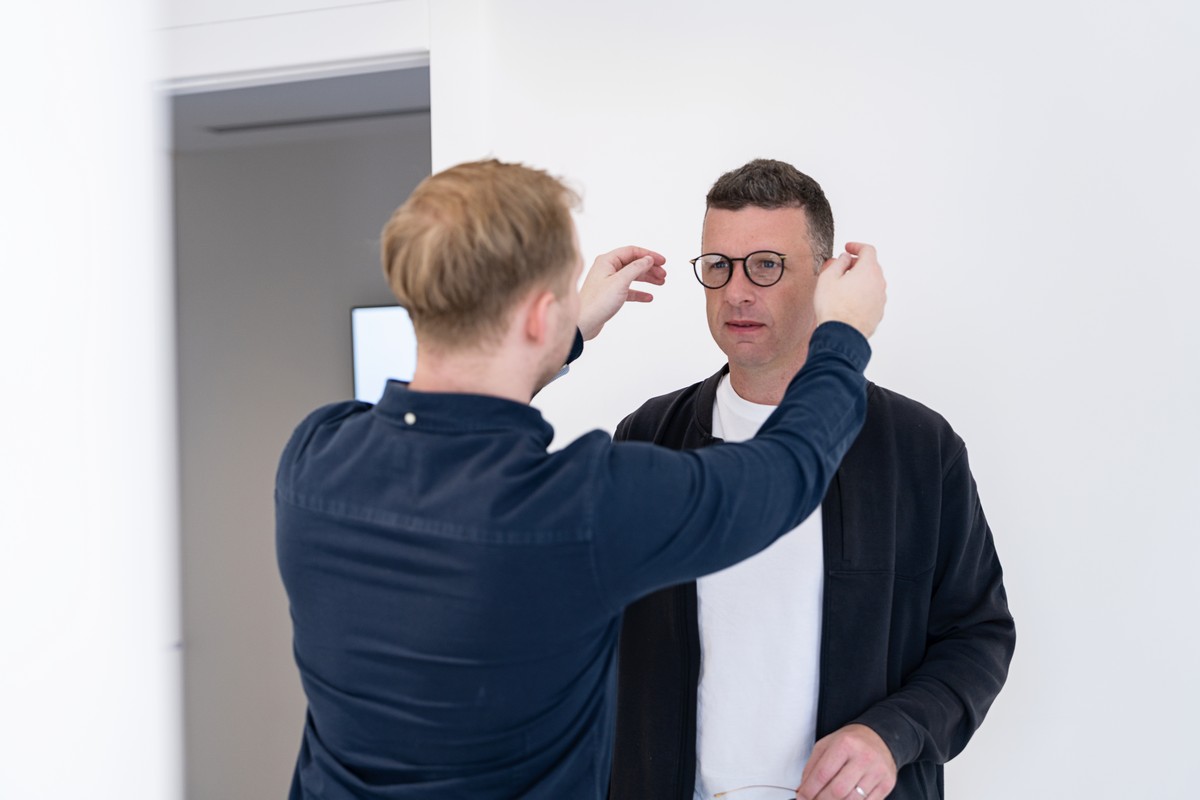
At Cairns & Co, we believe that dispensing eyewear is both a science and an art. A beautifully crafted pair of spectacles can only perform at its best when it is accurately measured and precisely fitted to the individual wearing it. Whether you are updating your prescription after an eye exam, purchasing specialist lenses, or choosing your child’s first pair of glasses, precise measurements play a vital role in achieving comfortable and clear vision.
Why Glasses Frame Measurements Matter
Modern spectacle lenses are highly sophisticated. Many lenses are customised to correct complex prescriptions, reduce visual strain, or provide seamless vision at different distances.
Precise frame measurements help ensure that:
- The optical centre of the lens aligns with your eyes.
- Vision remains clear and comfortable.
- Progressive lenses perform optimally.
- Eye strain and visual fatigue are reduced.
This is particularly important for patients who spend long hours working on digital devices, wear progressive lenses, or have stronger prescriptions.
Every Face Has a Unique Glasses Frame Size
Factors such as facial symmetry, nose shape, eye position, head posture, and the distance between the eyes all influence how spectacles should be fitted.
A frame that fits one person perfectly may not provide the same visual experience for another person, even if they have a similar prescription.
This is why our dispensing process goes far beyond simply selecting a frame from a display. We take time to understand how the frame sits on your face and how your eyes interact with the lenses.
Understanding Box Lens Measurements
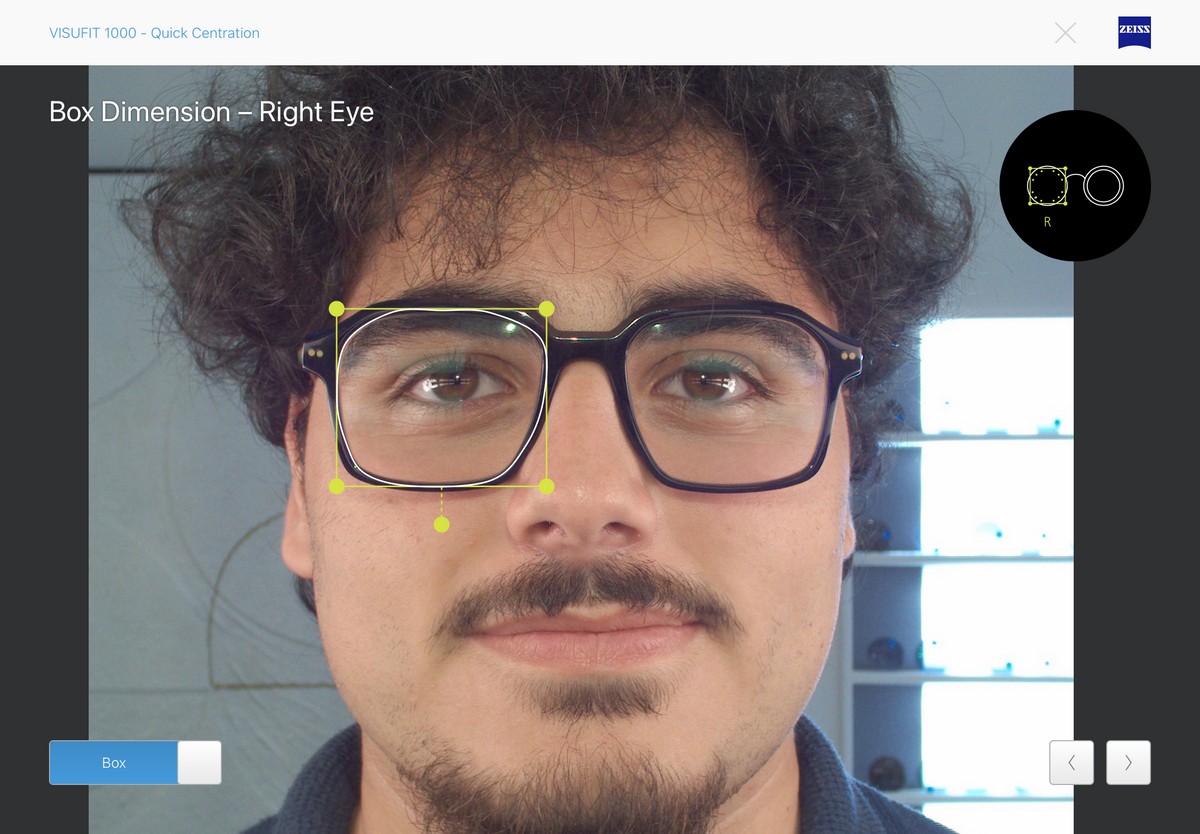
When selecting a glasses frame, we assess what are known as box lens measurements. These standardised measurements help us understand the size and shape of a frame and how it will work with your prescription.
The box system measures the frame using four key dimensions:
- Eye Size – the horizontal width of each lens opening.
- Lens Depth – the vertical height of the lens opening.
- Bridge Width – the distance between the two lenses across the bridge of the nose.
- Temple Length – the length of the frame sides that extend behind the ears.
Selecting the appropriate eye size can help minimise lens thickness, reduce weight, improve cosmetic appearance, and optimise optical performance.
Understanding Pupillary Distance
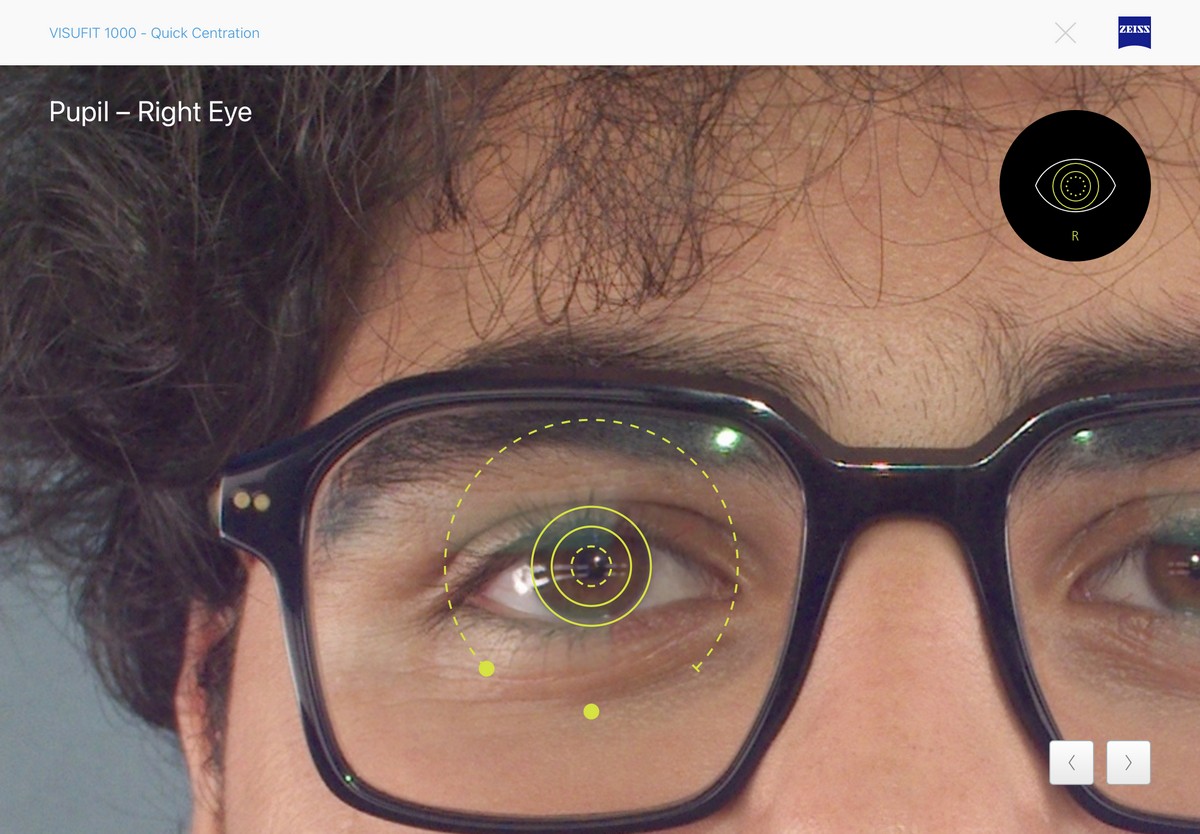
One of the most commonly discussed frame measurements is pupillary distance, often abbreviated as PD.
This measurement represents the distance between the centres of your pupils. It helps us position the optical centres of the lenses directly in line with your visual axis.
When the pupillary distance is measured incorrectly, patients may experience:
- Blurred vision
- Eye strain and headaches
- Difficulty adapting to new glasses
Measuring Fitting Height
For patients wearing multifocal, occupational or progressive lenses, fitting height is equally important.
This measurement determines where the various viewing zones within the lens are positioned. If the fitting height is incorrect, patients may find it difficult to locate the appropriate viewing zone.
Vertex Distance and Lens Position
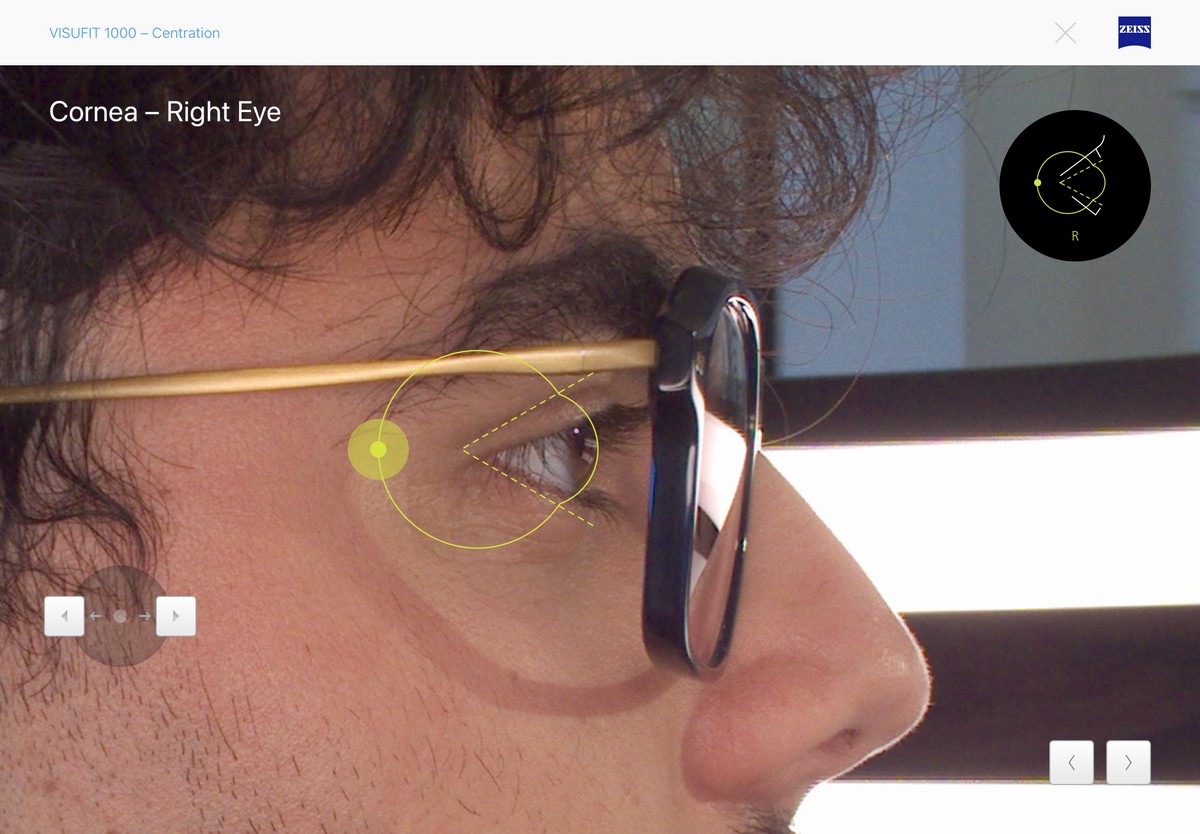
Another important measurement is vertex distance, which refers to the space between the back surface of the lens and the front of the eye.
Changes in vertex distance can alter how a prescription performs, affecting both clarity and comfort.
Pantoscopic Tilt and Frame Wrap
Pantoscopic tilt describes the angle at which the frame tilts slightly towards the cheeks. Frame wrap refers to the curvature of the frame around the face.
These measurements affect how light enters the lenses and how the eyes interact with the optical design.
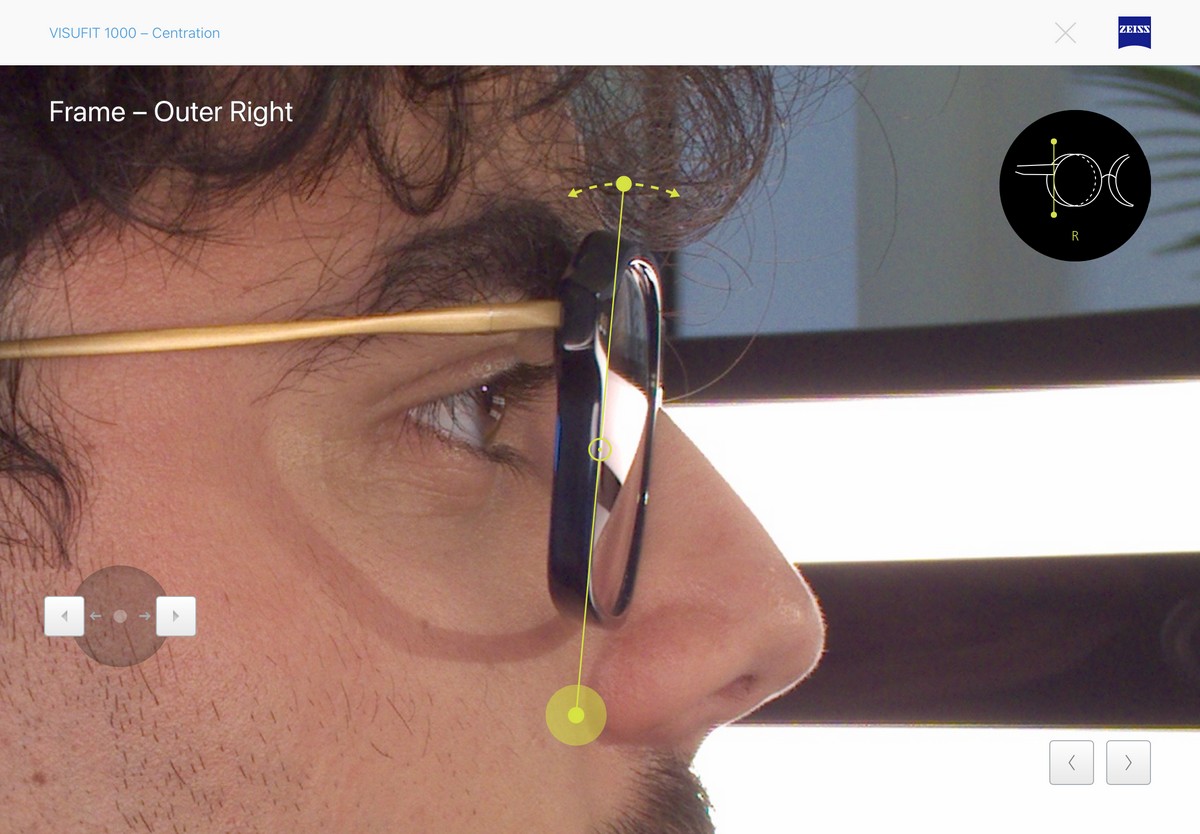
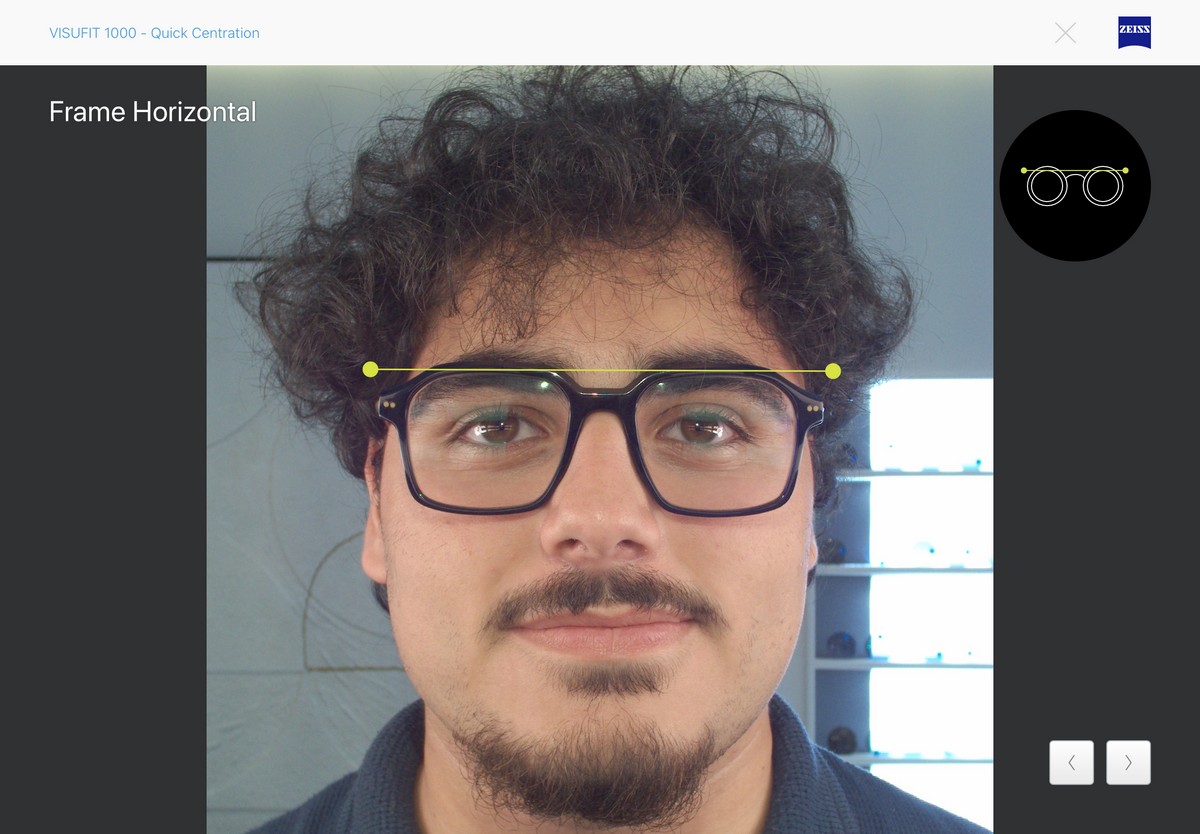
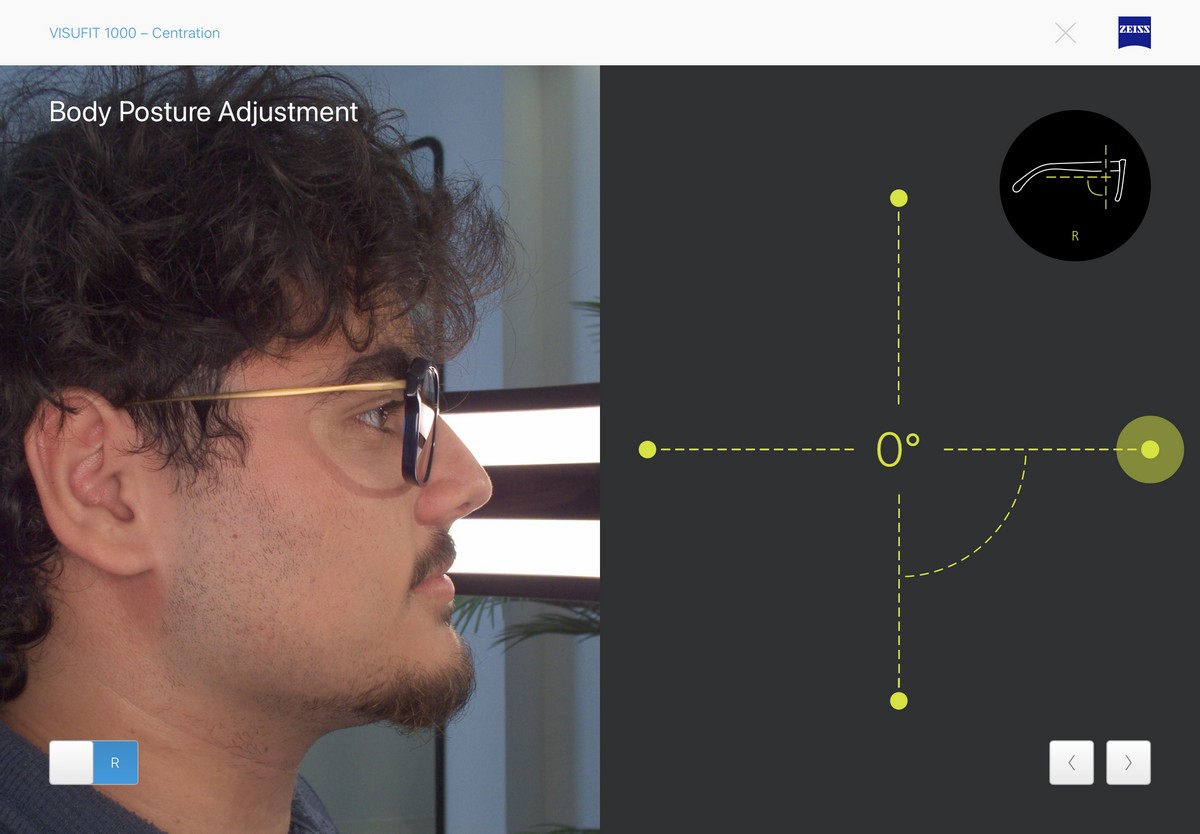
Why Frame Alignment and Posture Are Crucial for Glasses Frame Size and Fit
For spectacles to perform as intended, the frame must sit straight and level on the face. A frame that is uneven to one side can affect how your eyes align with the optical centres of the lenses. We also consider a patient’s natural body posture and adjust this accordingly during the fitting process.

Why Children's Frame Measurements Are Especially Important
Children are constantly learning, reading, and developing visual skills. Glasses that are poorly fitted can affect compliance and visual development.
Children also tend to be more active, meaning frames must fit securely without slipping or causing pressure points.
During children’s eye care appointments, we carefully assess:
- Frame and bridge fit across the nose for stability
- Pupillary distance
- Comfort behind the ears
The Difference Professional Dispensing Makes in Glasses Frame Size and Fit
As optometrists, we combine clinical knowledge with practical experience to ensure that every pair of glasses functions exactly as intended.
A comprehensive eye exam determines the prescription, but professional dispensing ensures that prescription performs accurately in the real world.
Why We Take Our Time At Cairns & Co
At Cairns & Co, we never view frame measurements as a routine step.
We see them as an essential part of delivering exceptional eye care in Dubai. Every measurement contributes to the outcome and helps ensure that your eyewear feels comfortable and functions correctly.
By taking the time to measure carefully and fit precisely, we can provide spectacles that truly complement both your prescription and your lifestyle.
Choosing a frame is often the enjoyable part of buying glasses, but the measurements behind the scenes are what transform a stylish frame into a high-performing visual device.
If you’d like tailored advice or a comprehensive eye exam, visit Cairns & Co in Dubai or book online. Our UK-trained optometrists are here to help you see clearly and comfortably.
FAQs
Q. Why can't I simply use my old frame measurements?
A. Small changes in frame design, facial features, or prescription can affect how lenses should be positioned. New measurements help ensure optimal visual performance.
Q. Are frame measurements important for single vision lenses?
A. Yes. Although they are especially important for multifocal lenses, accurate measurements can improve comfort and clarity for all spectacle wearers.
Q. Can poorly fitted glasses affect my vision?
A. Yes. If a frame sits unevenly or the lenses are not positioned correctly, you may experience blurred vision, eye strain, headaches, or difficulty adapting to your spectacles.
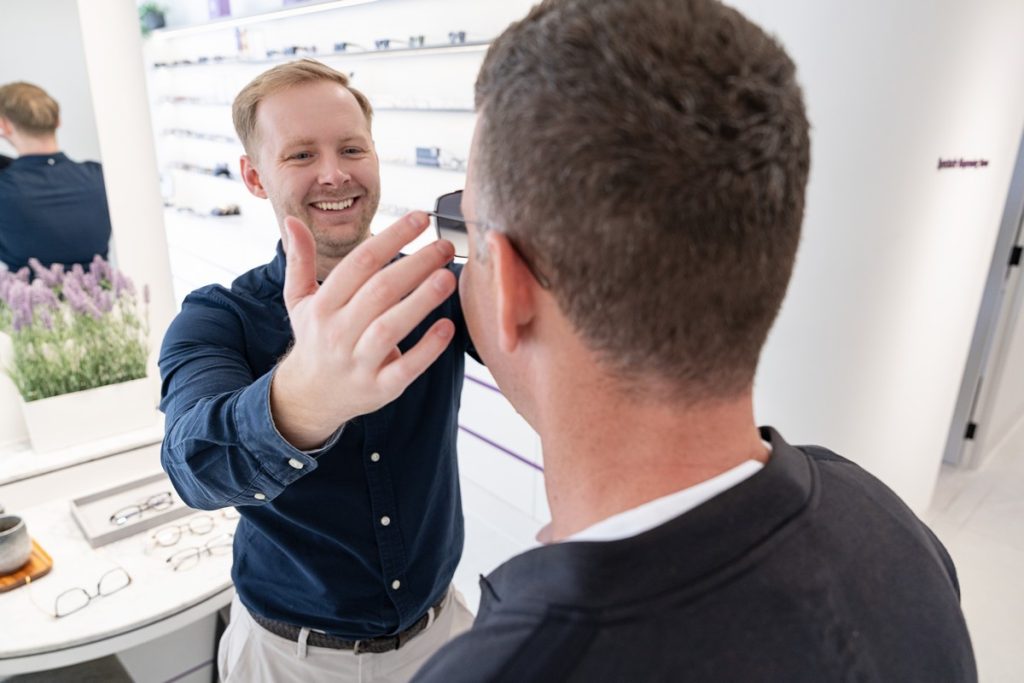
Q. Why does my optometrist spend time adjusting my frame before taking measurements?
A. Measurements should always be taken with the frame sitting correctly on your face. Adjusting the frame first allows us to obtain the most accurate measurements and achieve the best visual outcome.