

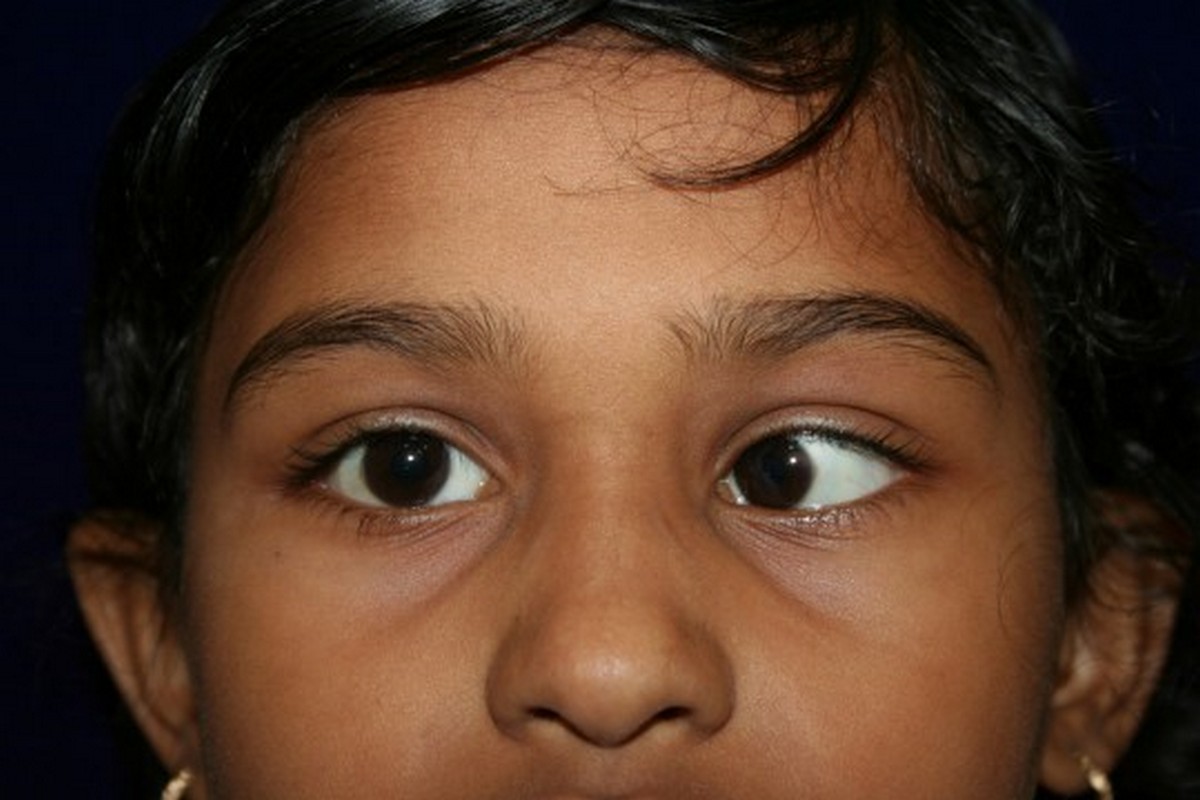
Many children assume their vision is normal, even when experiencing significant visual difficulties. In a city like Dubai, where children face increased exposure to digital devices and demanding educational environments, maintaining healthy eyes is crucial for learning and overall development. Early detection of vision problems, such as blurred vision, difficulty focusing, or digital eye strain, can significantly improve a child’s academic performance, social interactions, and long-term eye health.
At Cairns & Co, we often see children whose vision impairment was only identified during a thorough examination. Timely treatment and early diagnosis can prevent vision loss and other eye problems from affecting learning and development, ensuring children have the best chance for healthy vision and overall health.
Why Children's Vision Matters
Around 80 per cent of learning during the early years is visual. Children rely on their eyesight for studying, recognising faces, participating in sports, and navigating their environment.
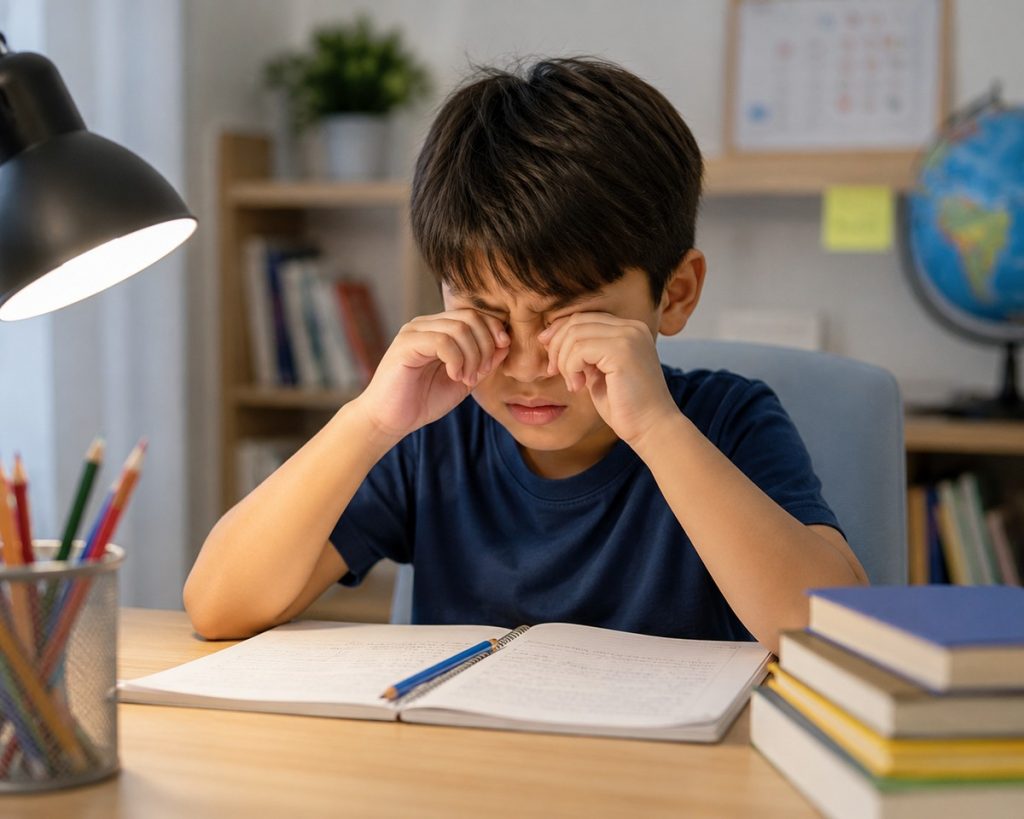
When a child struggles to see clearly, they may experience:
- Difficulty reading or concentrating
- Frequent headaches and eye strain
- Reduced confidence in school
- Challenges with hand-eye coordination
Because children often do not realise their vision is different from others, these symptoms can easily be mistaken for behavioural or learning difficulties.
Common Eye Conditions in Children
Several vision conditions commonly affect children, and many can be successfully managed when detected early.
Below is a table of the most common eye conditions that may be found during an eye test.
| Eye Condition | Description | Why Early Detection Matters |
| Short Sightedness (Myopia) | Distant objects appear blurry while near vision remains clear. | Early management may help slow progression and support long-term eye health. |
| Long Sightedness (Hyperopia) | Close tasks such as reading and writing can be more challenging. | Children often compensate naturally, making regular eye exams essential. |
| Astigmatism | An irregular eye shape causes blurred or distorted vision at all distances. | Early correction can improve visual comfort and performance at school. |
| Amblyopia (Lazy Eye) | One eye develops weaker vision during childhood. | Treatment is most effective when started early. |
| Strabismus (Squint) | The eyes do not align properly and may point in different directions. | Early intervention helps support normal visual development and depth perception. |
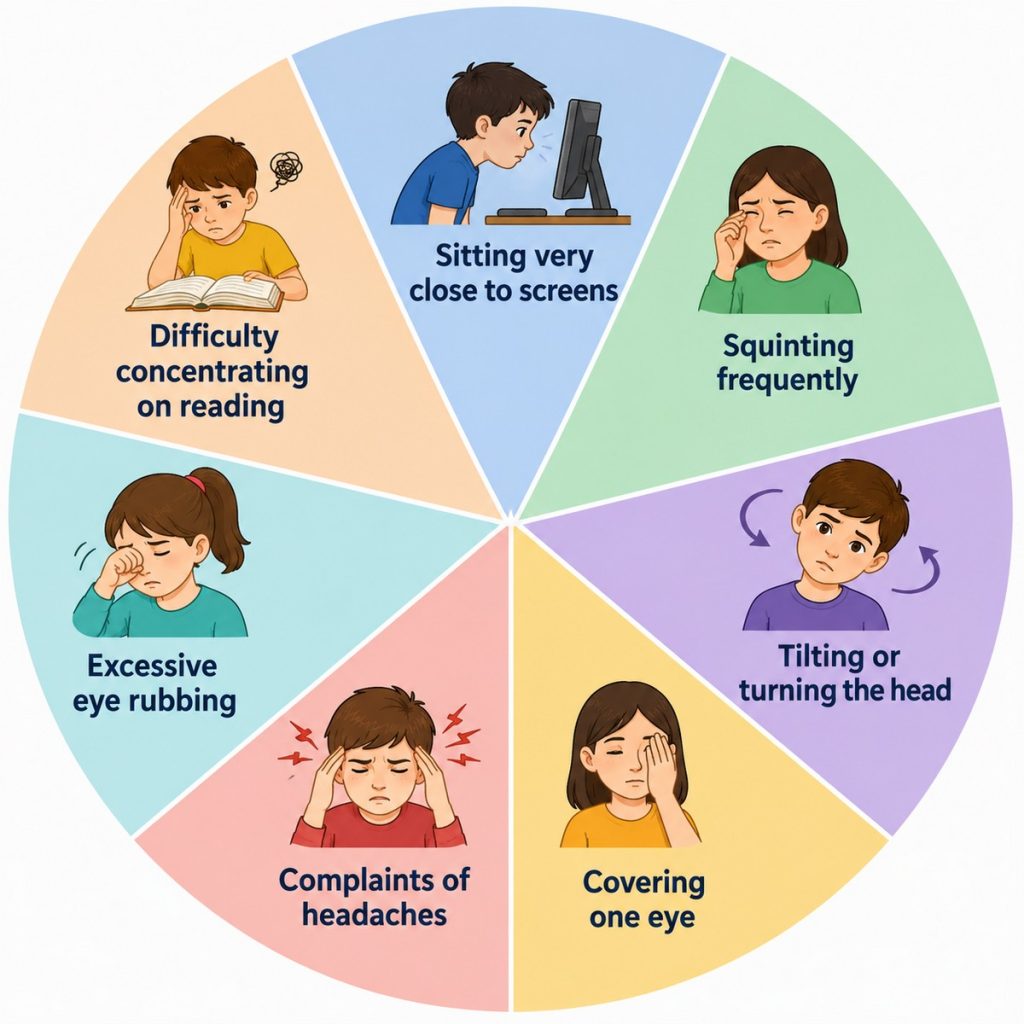
Key Signs Parents Should Watch for in Children's Vision
Although some children show no obvious symptoms, certain signs may indicate a vision problem.
If you notice any of these signs, it is worth booking a comprehensive eye examination with an experienced optometrist.
The Benefits of Early Detection
Early identification of vision problems can significantly improve a child’s quality of life.
Better Educational Performance
Clear vision allows children to see classroom materials, read comfortably, and engage more effectively in learning activities.
Improved Confidence
Children who can see clearly often feel more confident participating in sports, social activities, and classroom discussions.
Enhanced Eye Development
Many childhood vision conditions respond best when treated during the early years while the visual system is still developing.
Prevention of Long-Term Problems
Detecting and managing eye conditions early can reduce the risk of permanent visual impairment later in life.
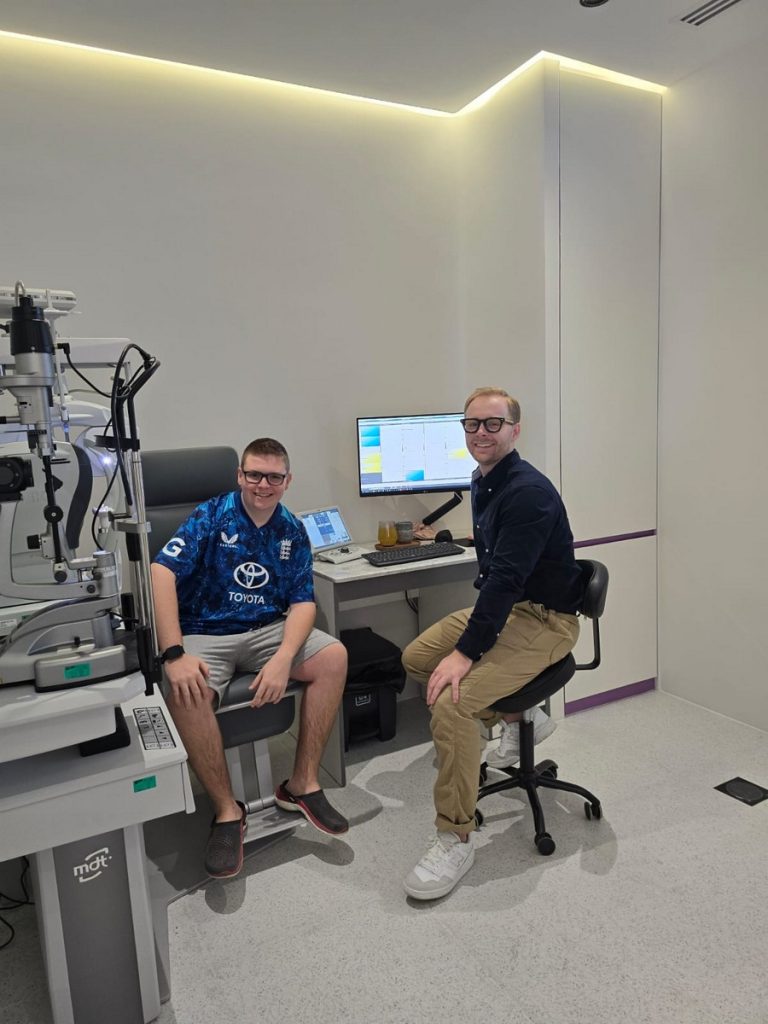
What Happens During a Comprehensive Eye Exam?
A Comprehensive Children’s Eye Examination Includes:
- Detailed Case History
- Vision Assessment
- Screening for Colour Vision Defects
- Eye Coordination & Depth Perception Evaluation
- Refraction Assessment
- Eye Health Examination
- Discussion & Recommendations
Every examination is tailored to your child’s age, visual needs, and stage of development, ensuring a thorough assessment of both vision and eye health.
How Often Should Children Have an Eye Exam?
The frequency of eye examinations depends on a child’s age, visual needs, and risk factors such as family history of eye disease or existing health problems. General recommendations include an eye examination before starting school, followed by annual eye exams for most children with no identified vision problems.
However, children with common eye disorders or age-related eye diseases may require more frequent monitoring and early treatment by an eye specialist to protect their eyes and prevent permanent vision loss. Regular comprehensive eye exams are essential for early detection of refractive errors, amblyopia, strabismus, and other eye conditions, supporting good vision and eye health throughout childhood.
Supporting Healthy Vision at Home
Parents can also encourage healthy visual habits by:
- Limiting screen time
- Encouraging outdoor activities
- Ensuring good reading posture
- Providing appropriate lighting for homework
- Scheduling regular eye examinations
Final Thoughts
A child’s ability to see clearly influences almost every aspect of their development. Healthy vision provides a foundation for lifelong success.
Many childhood vision problems can be effectively managed when identified early. Regular comprehensive eye exams, recommended by the National Eye Institute, detect issues like refractive errors, amblyopia, and strabismus before they affect learning or development. Early detection helps protect your child’s eyes and supports lifelong eye health.
If you’d like tailored advice or a comprehensive eye exam, visit Cairns & Co in Dubai or book online. Our UK-trained optometrists are here to help you see clearly and comfortably.
FAQs
Q. At what age should my child have their first eye exam?
A. Most children should have a comprehensive eye exam before starting school. Earlier exams are advised if there are concerns or a family history of eye conditions.
Q. How often should children have their eyes checked?
A. Most children benefit from an annual eye exam to ensure their vision and eye health are monitored. Children with specific vision problems, a family history of eye disease, or other risk factors may need more frequent check-ups to protect their eyes and detect issues like double vision, dry eyes, or other common childhood vision problems early.
Q. Can vision problems affect school performance?
A. Yes. Difficulties with focusing, reading, or seeing classroom materials can impact concentration, learning, and confidence at school.
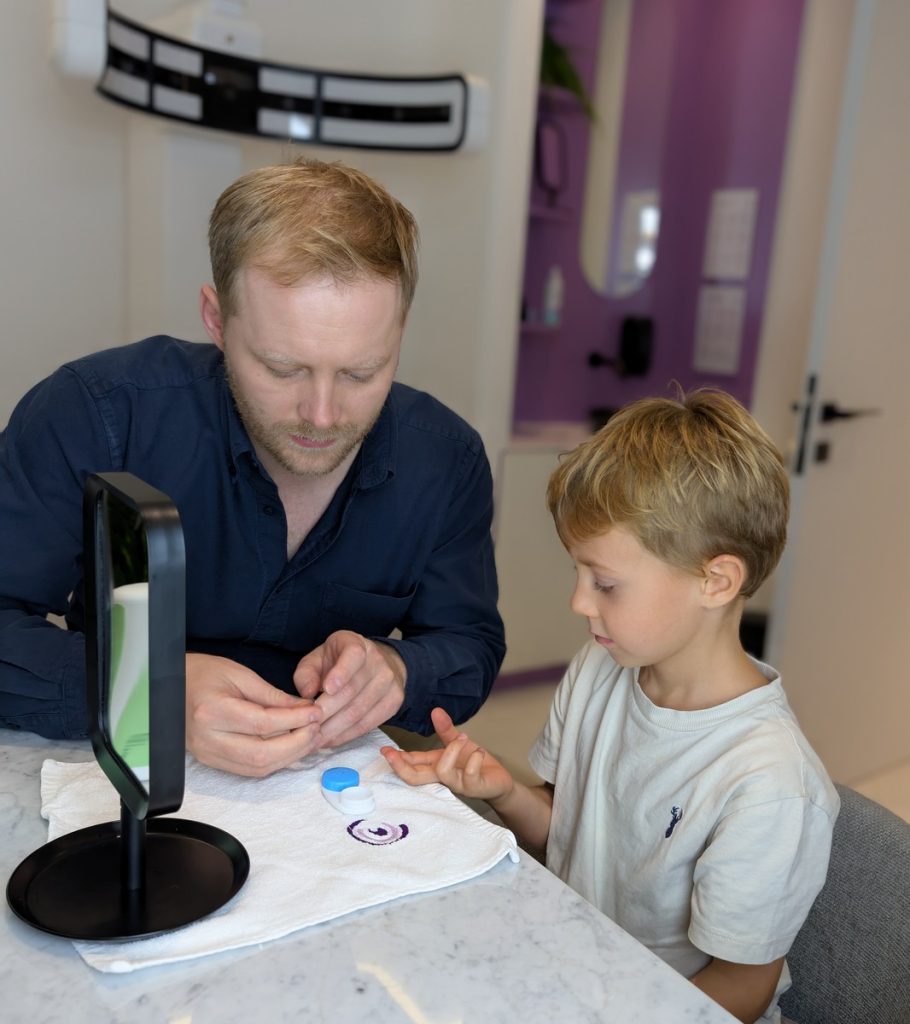
Q. Can children wear contact lenses?
A. In some cases, yes. Depending on age, maturity, prescription, and lifestyle needs, contact lenses may be an appropriate option when prescribed and monitored by an experienced optometrist.